Category Archives: Writing

Deadlines vs Goals vs Real-life

Deadline: (n) the time by which something must be finished or submitted; the latest time for finishing something.

Goal: (n) the result of achievement toward which effort is directed; aim; end.

Real-life: (interjection) the little demon that laughs maniacally at the deadlines and goals you set.

Deadlines. I work to them all the time. Sometimes I impose them on authors, sometimes authors impose them on me, and other times it is publishers dropping those deadlines – all of which is good. Deadlines give us that extra kick up the bum to get shit done, especially if those deadlines are given by others.

I work well to external deadlines – my business and reputation depend on it. And I love my work, so while sometimes it can be stressful when I have a lot of different projects on my plate, I tend to thrive under the pressure.

Goals. I set myself two (which stepped to three) this year with regard to writing and reading – two things I don’t get anywhere near enough time to do as I’d like. I’d finished the first draft of my novel in February this year as part of my Black Friday Wager; of which there’s about 10-15% I’ll keep, build upon. It set my characters and their motivations firmly in my mind, and levered the world in greater detail, but man did it need a serious rewrite… or greater focus.

So that was one goal met, which transitioned to my next goal: the second draft of the novel, which was to be completed by November 13, 2015 (yes, a Black Friday Wager). I did not meet this goal. Oh, I started and restarted and restarted the novel eleventy-hundred times, but could not get the starting point right.
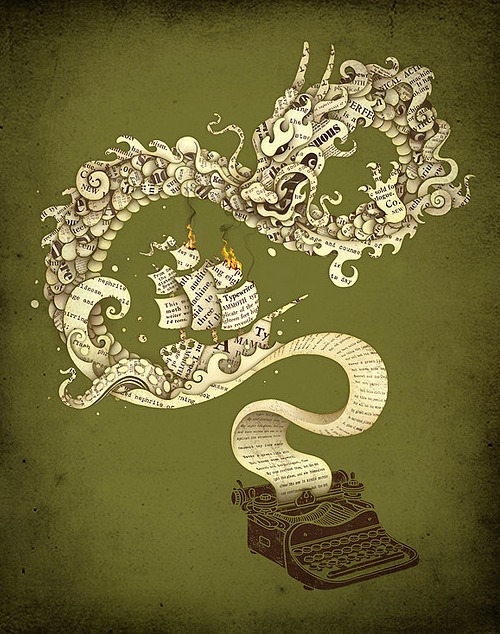
imagination

Work and real-life had a part to play in me not meeting this goal. I’m not just a writer and editor; I’m a mother, wife, sister, daughter, aunt, friend, keeper of pets. I have bills to pay, groceries to buy, meals to cook, and a seemingly interminable amount of clothes to wash. I have homework to help with (you suck, high school math!), the kids’ sporting events (and training) to cheer at, and all the while remember that I must leave the house wearing pants.  I don’t begrudge any of that – it’s my life and I wouldn’t change it (okay, maybe the bit about wearing pants in the outside world, but… oh the joys of working from home!).

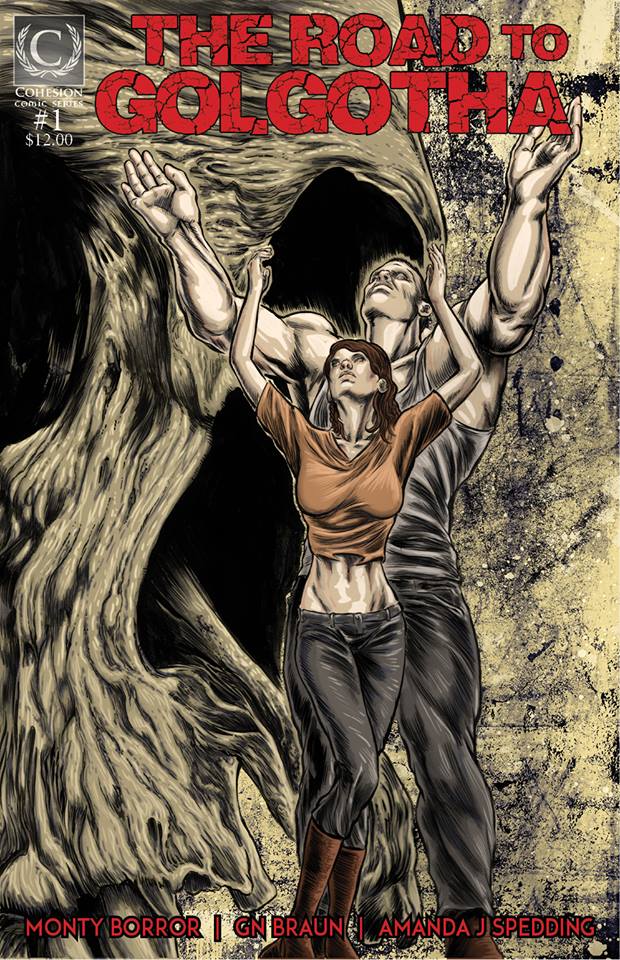
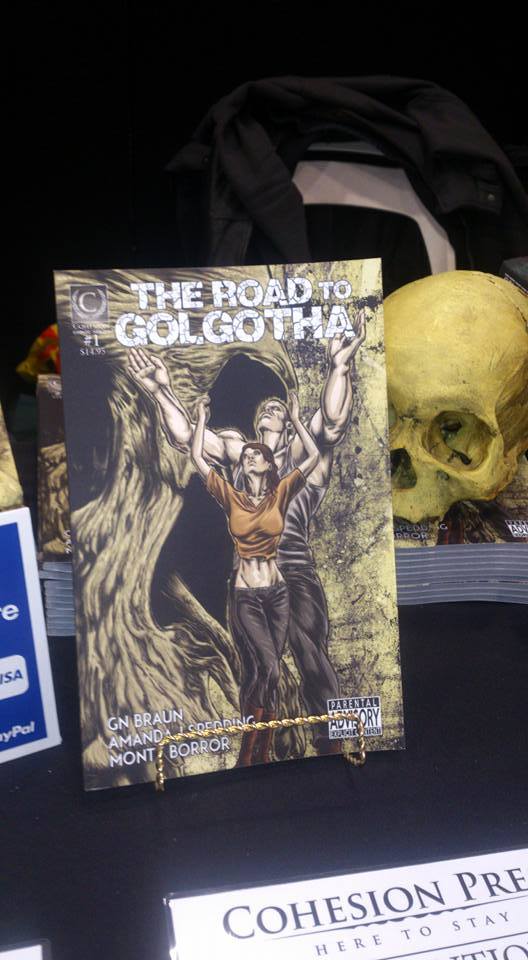
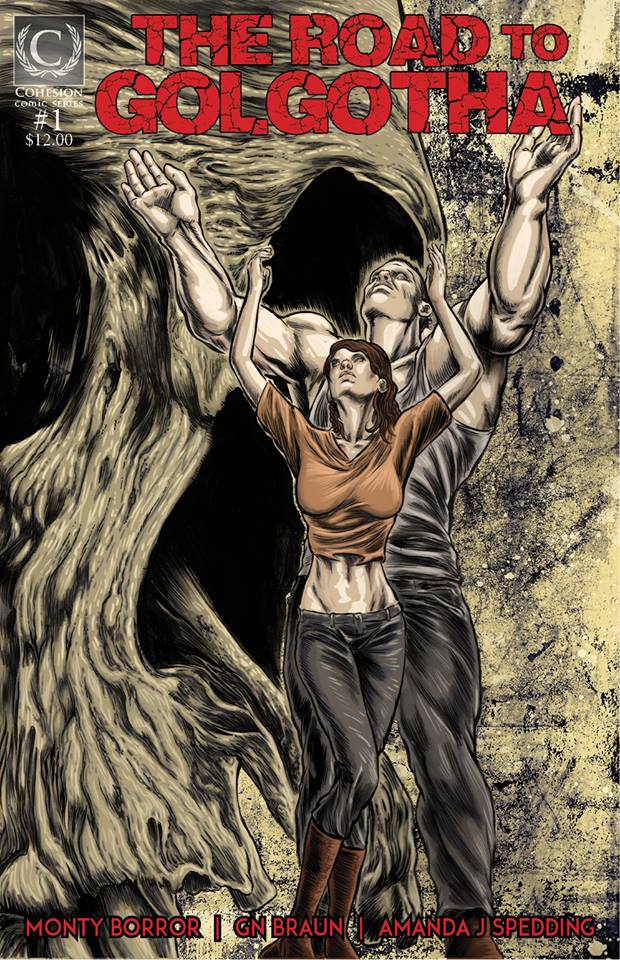
Often, something’s gotta give, and that something tends to be writing time (made easier, of course, when you’re sitting on your eleventy-hundred-and-first draft of draft two of your novel).  I did write three short stories this year, all of which made short-listings but no actual publication. But that’s okay – stories were written, and they’ll be tweaked and sent back out in the world. It’s the creating that’s the goal; publication is that cherry atop a cake. And one of the big cherries this year was the publication of my comic, The Road to Golgotha, launched at Melbourne ComicCon, so not a bad year on the publishing front at all.
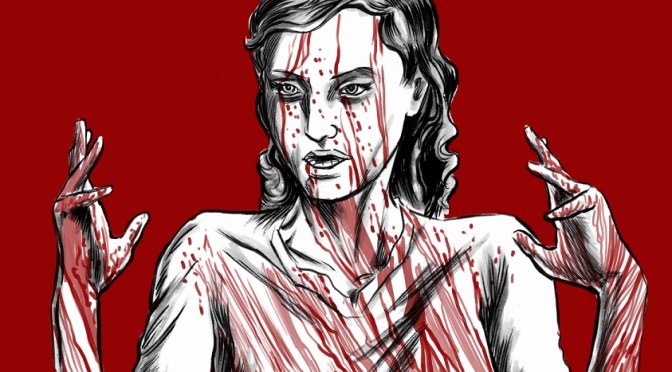
The Road to Golgotha

What I didn’t skimp on this year (as I had done previous years), was reading time. As an editor, I do a lot of reading, and by the end of the day, my eyes can sometimes be pretty shot. So reading for pleasure doesn’t feel like pleasure at all. Last year, I read 14 books – not too many when you’re looking at just the number, but at least one a month, isn’t bad considering. This year, I set myself a goal of 20 books. I hit that goal last week with Greig Beck’s The Dark Lands (The Valkeryn Chronicles #2), which was brilliant, and one of those stories you wish didn’t have an end (review to come).

I surpassed that goal last night, finishing book two in a James A Moore trilogy. Yes, there were times I read into the wee hours of the morn, sacrificing sleep (and the next day’s sanity) to read just one more chapter…okay, just one more chapter…one more… but that’s more testament to the book(s) I was reading than my quest to meet my goal. I’ve chosen well the books I’ve read this year, and the authors who’ve penned them.

So I met two of my three goals, and yes, there was some angst and frustration around not meeting the goal of the second draft, but not anywhere near as much I’d have doled out a couple of years back. You see, I’ve learned to be kinder to myself, to understand that sometimes life has different ideas to the ones you set yourself, and that’s okay too. With age comes wisdom perhaps.

My life is good. No, actually, my life is great. I have an amazing family, two of the coolest kids on the planet, a kick-arse job, and the want and desire to wreak havoc in created worlds. And I get to read with impunity.

The point of this post (yes, there is one, you miscreants!), is that no matter the personal goals and/or deadlines you set, don’t beat yourself up if you don’t meet them – real-life always has your back.

Deadline: a date for things that may or may not get done (depending on who sets said deadline), but hey, we’re all huma– ooh, look, a kitty! 

Goal: something you wish to achieve but doesn’t hold your self-worth if not met  (may also be cake).

Real-life: fucking awesome.
 

Editors Aren’t Your Enemy

I don’t hate you. Really I don’t. These are phrases that often go through an editor’s mind as they work through your manuscript. We don’t hate you or your story; we’re not evil trolls ready to destroy your work. We’re not monsters who hack and slash at your words with wild abandon, our red pen dripping with the life-blood of your characters.

bloody pen

We’re not the enemy. We will, however, be your story and your characters’ advocate – devil or otherwise. That’s our job. And editors love their job. I know I do. We get to help a writer push the limits of their storytelling, to advise and collaborate to bring out its best. We question plots and sub-plots that aren’t cohesive, characters that appear to be acting out of character. We see what you don’t. Why? Because we’re not as close to your story as you are.

Objectivity is what we bring to the table, and it’s why all stories, no matter how they’re published (self or traditional) need another set of eyes (or more) to look over them. We haven’t been in your head developing the character(s), we don’t know the intricacies of their backstory – how they came into being. All we get is what’s on the page. If we question a particular point, or are confused about a character’s motivations, chances are so will your reader.

When going through a manuscript, we’re constantly aware that any edits, questions or suggestions may not sit well with an author; I mean we’re taking their lovingly-crafted baby and making marks all over it. We understand the blood, sweat and tears that have gone into bringing your work to life, especially those of us who are writers as well. We don’t laugh maniacally when we ask you to consider changing something, or deleting a scene altogether – we know it hurts, but we also know it could be the best thing for your baby.

One of my clients had a character she had been living with for a very long time, and about halfway through the manuscript, I noted the character was acting and speaking in a way that didn’t reflect them or their purpose. When I mentioned this to the client, they were surprised they hadn’t noticed it – I had the objectivity the client no longer had. When I saw the next draft of this manuscript, the character was better than even I could have imagined. I couldn’t have rewritten it – that’s not an editor’s job, they’d never be so presumptuous – but I could point out the issues and return it to the creator who knows their character far better than I ever could. Collaboration: when it works, magic happens.

book imagination

I know a lot of writers dread the editing stage of the manuscript, but this is a stage that needs to be embraced and enjoyed – you’re getting down to the nitty-gritty of the publishing process. Yes, if you misuse a comma or your verb-tense is a little off, we’re there to pick those up for you. We ensure your syntax is just right, that your characters and places are consistent in description and spelling, and will explain why.

Editing is a place where a writer can learn those intricacies of the English language, and we’re happy to share our knowledge. Why? Because we’re word nerds. I will happily walk through the reasons why you can or can’t use a semi-colon; why I’m a proponent of the Oxford comma, or how short, sharp sentences convey tension within a scene. I will explain why ‘showing’ works to create a deeper connection to the reader than ‘telling’ ever will, and why the passive voice can make the reader feel like a spectator rather than a participant, and why there are very, very few instances where punctuation exists outside speech marks. (This is usually where you’ll need to tell me to shut up, as I can wax lyrical for hours. Just ask my husband – he’s the one over there with the perpetual glassy-eyed look.)

So yes, editors are an essential part of the publishing process, whether you’re going the self-publishing route or traditional, and perhaps more so with self-publishing as this is a step quite a few SP authors overlook (or, sadly, believe they don’t need). I’m here to tell those authors you’re not only doing yourself a disservice but that of your potential reader. Nothing will piss off a reader more than a poorly written, non-edited book they’ve paid money to read. I know; I’ve been one of them.

bullshit

With the enormous amount of choice out there for readers, it’s getting harder to have your work, your stories noticed among the millions. But what will always help, what will always bring a reader back is when an author takes the care to put their very best work out in the world. Part of that process is to work with professionals. I read a post from a self-published author on this very thing – read it here; it has some great insights about finding a professional. (Yes, I’m her editor, and you absolutely should read her collection of short stories when it comes out – I can’t recommend it enough.)

And a professional is what you need. When sourcing an editor (or proofreader, cover artist, formatter/layout artist), check their credentials! I’ll say it again: CHECK THEIR CREDENTIALS! A professional will have studied, they will have qualifications backed up by paperwork, and they will have experience – all of which should be available to you. Ask. And ask for a sample edit – most will provide one.

There are a plethora of sources to find professional editors, but word-of-mouth is your best bet. Ask other writers who they’d recommend, ask forums and social media. If you can, source someone who specialises in your genre as they’ll have insights other editors may not. And speak to at least five editors before you make a decision. Not all editors will be the right fit, but when you find the one that clicks, you’ll make magic.

magic book

The Long and Short Of It

I write. Have done for as long as I can remember, but this last year the second draft of my novel (or as it likes to taunt: double-dare you to finish me, mofo!), has monopolised my time. Novel writing has had a steep learning curve – sometimes I joyfully get it, other times I despair. Ah, the rollercoaster life of a writer – amazing highs and some really shit-house lows.

Of late, I’ve been in that dead zone between highs and lows: the ‘Meh’ State, as I like to call it. While I’m still running on the high of my comic release, a writer needs to keep moving forward, and… enter the Meh State.

Neh

It’s taken a while for me to figure out why there’s been an itch the novel couldn’t scratch, but after a week in the country at my dad’s farm, it became apparent – short stories. So focussed I’ve been on getting through this next draft of the novel that I’ve neglected one of my favourite writing mediums.

I returned to fiction writing (from journalism) about seven years ago, and it was with short stories I decided to lay my hat. There was method to my choice: mastering short-story writing would enable me to write a lot tighter, which in turn would assist with my ability to write a lot more story into a novel.

Writing long is a very different beast to writing short, but there’s intrinsic value in learning the art of short-story writing. Creating a complete story within a limited word count means every word has to fight for its right to be in the story – a skill that transfers extremely well to novel writing. It’s a skill I have; one of my shortest pieces (under 3,000 words) won the Australian Shadows Award in 2011. And I’ve been applying it to the novel… and here is also where I think I’m coming undone. It’s the focus on making every word count – especially in this second draft – that is taking me longer to get this draft done than I’d like. There’s a need to shift gears, to see the bigger picture.

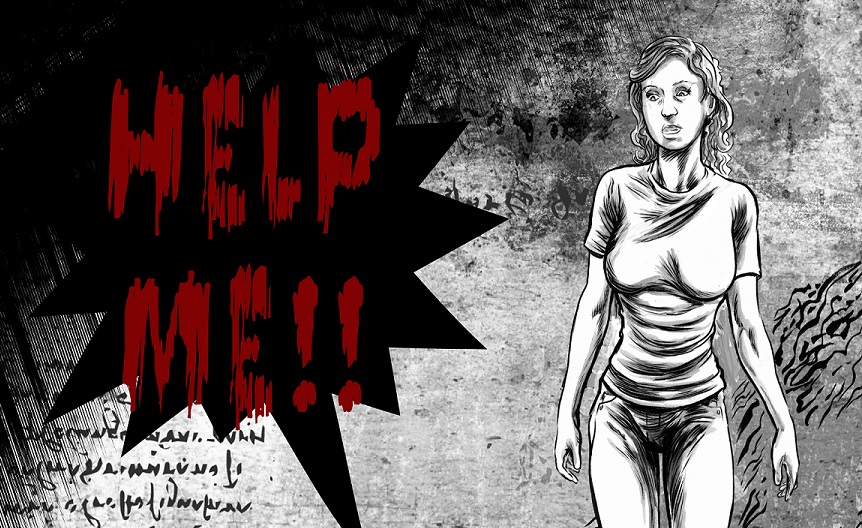
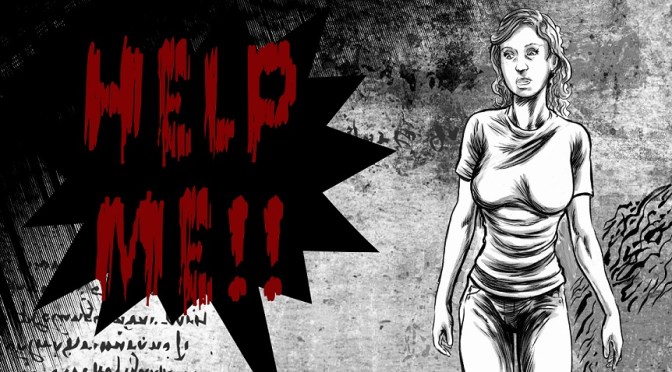
Help me

But that’s not the only thing that’s pushed me into the Meh State. I’ve missed writing short stories. A lot. Honing in on a moment in time, a sliver of someone’s life, is a whole lot of fun (yes, horror is a helluva lot of fun to write – murder and mayhem and monsters, oh my!); there’s no need to create a world on the same scale as the novel, but more drip-feed the world/culture into the story – just enough for set the reader in that world.

And let’s not forget the gratification side of things. Writing a short is far quicker than writing a novel (duh), and there’s also a much quicker response time for a short story, be it accepted or rejected. You know what’s happening with it far sooner than you would with a novel. It’s that high of having a story out in the world, fighting for its right to be in an anthology that I’ve missed, the feeling of being actually working (regardless of how stupid that sounds).

Balance. That’s what I was missing. I’d forgone the love of writing in the short form to pursue the lure of writing in the long. As of today, I have two short stories out in the world at the moment, both written within the last few weeks, and I’m currently working on another for an anthology that deadlines at the end of this month. I’m pumped. Not just to finish this short, but to also get back to the novel. Going back to writing short stories has reignited my desire to finish the novel.

As with anything, having such a singular focus can drain the joy from things you love. That was my mistake.

And that’s the long and short of it.


It’s live! Live, I tells ya!

The Road to Golgotha, the two-in-one graphic novel published through Cohesion Comics is now live! *does happy dance* … *apologises for happy dance* No one deserves to see that.

The Road to Golgotha

Now it is true that the launch was last weekend at ComicCon Melbourne (see my wrap-up here), but now the comic is unleashed upon the world. Mwhahahahahaha!

Ahem.

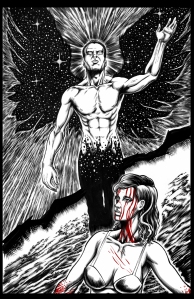
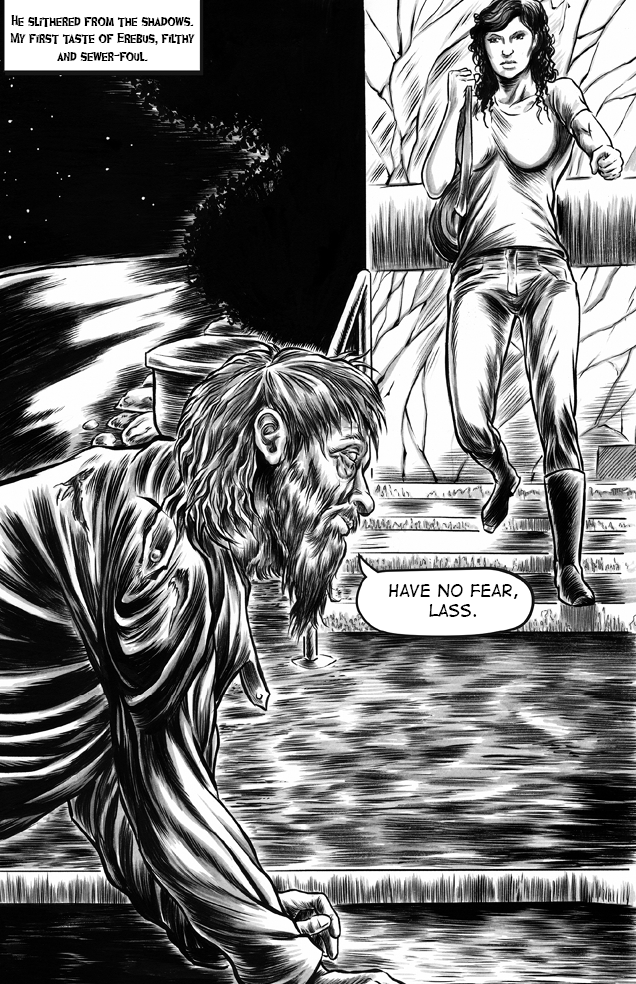
The Road to Golgotha consists of a story by GN Braun – His Own Personal Golgotha, and my supernatural horror story, The Road. (See how clever that combined title is? Yeah, I didn’t come up with it – all kudos to Geoff for that one). There’s a symmetry in the telling of both stories, a link of cause-and-effect that strikes deep at the main characters of each tale. This is also beautifully carried through by the illustrations of uber-talented artist, Monty Borror.

Golgotha

Here’s what it’s all about:

The Road to Golgotha holds two comics by Australian writers, set to the art of US illustrator Monty Borror. His Own Personal Golgotha by GN Braun follows the awakening of ‘the man’ into a nightmarish world of cemeteries and bones. To achieve anything, he must find out where and who he is. The Road by Amanda J Spedding shows us the changes wrought in Riley as she casts off her civilized veneer to allow the goddess within to emerge fully into her birthright. Redemption and personal growth are strong themes throughout both stories, and they each hold surprises as the protagonists struggle to come to terms with changes or growth they need to undertake. Travel with them as they go through their own personal golgotha along a road less-travelled.”

 Page17

The first-run, signed ComicCon editions of sleek black & white are available, but Cohesion is looking to have colour editions screaming their way into the world soon. And by colour I mean vivid splatters of red and wispy, fiery orange. I’m so incredibly in love with this graphic novel, and so incredibly proud to have it published and in readers’ hands.

This is the first graphic novel in the Cohesion Comics line, with some incredible storytellers lined up for the future. The Road to Golgotha is an amazing first edition to what will only be a kick-arse series from the Cohesion team. Go take a look. G’orn, you know you want to…

ComicCon Wrap-up

Where to start? Probably 5am Friday morning when I dragged myself out of bed then dragged an equally unwilling child from her bed to catch a too-damn-early flight to Melbourne. After copious amounts of coffee (for me, not my daughter), wakefulness hit then excitement – COMIC CON!!!

We were bunking down at a my friends Chris and Tracy’s place (read her work – read it!), so Saturday morning we were again up at sparrow-fart and off to Melbourne-proper. It’s a pretty city, Melbourne, and damn if they don’t make a great cup of java (yes, this is a vital part of me liking any place I visit). As my daughter and I strolled along Southbank, it wasn’t long before we were in the midst of cosplayers – excitement level-up.

Me and Cloe

While I’ve been to Supanovas, this was my first ComicCon, and what made this all the more special was that this was the launch of my comic ‘The Road’ – part of a two-in-one comic ‘The Road to Golgotha’ with GN Braun and brought to spectacular life by the artist, Monty Borror. And when I walked up to the Cohesion Press table, there she was, pride of place and absolutely beautiful. That I was sharing this with my daughter made this even more special.

Our table was beside that of IFWG Publishing, manned by the lovely Gerry Huntman, the effervescent Stephen McCracken, and one of my favourite people in the world, Robert Hood. We were in some mighty fine company.

Road

Now, I’m not a salesperson by any stretch of the imagination (kinda a design flaw in the whole being-a-writer thing), and pimping my work to strangers is hard, but the thing with ComicCon attendees is their desire to engage. There’s complete and utter acceptance of everything and everyone at cons such as these; it’s a celebration of the arts in all their mediums, and a celebration of those who love their movies, tv shows, authors, artists and all that goes with it.

The cosplayers were just brilliant – always happy and obliging for photos; and some of the costumes just blew my mind. It was happy, happy place that nurtures creativity, and you really can’t ask for more than that.

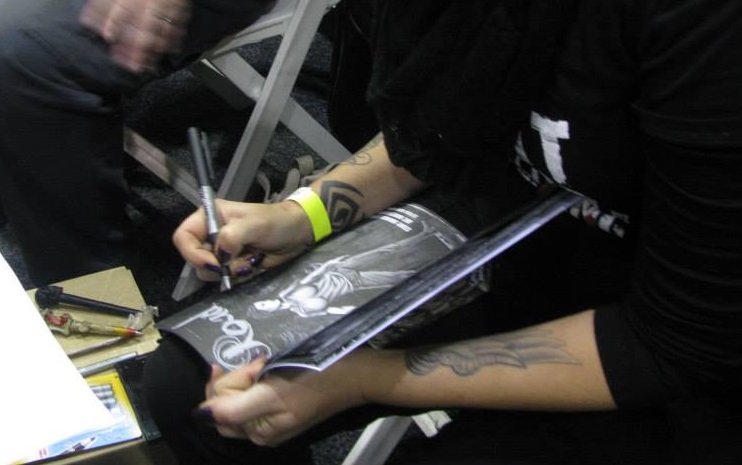
Chatting with people about the comic, explaining the idea behind the story and having people ask me questions then buy the comic was such a buzz – signing it for them as an author is a real joy. To have someone come up and buy your work because another con member recommended it? That’s the stuff of snoopy-dances.

snoopy

If all of this wasn’t enough, I got to finally meet some peeps I’d been waiting to for a long time, and my mate James O’Keefe (who was also working ComicCon) was first to the table. I’ve known James for… must be five or six years now, but with both of us living in different states… it was great to finally catch up in person.

I knew artist and writer Jason Franks would be at the con, and that was a meet I was looking forward to, especially after reading his amazing novel Bloody Waters (get on it – it’s a killer piece! Reviewed here). While I would have liked to have spent more time chatting and to sit in on his panel – time was a hungry beast for us both.

Same with Aaron Sterns – it was wonderful to finally meet and chat with the softly-spoken writer of the Wolf Creek fame. I missed his panel as well, but that’s the thing with being an exhibitor at cons, you’re there to engage with potential readers and you can’t do that effectively when visiting people you’ve been hanging to meet for a long while. But cons are also the places that allow you to have those meets with friends from other states; with the people who love what they do as much as you do.

up

Being amongst it all brings home how much this really is the best gig in the world, and how lucky I am to be doing something that feeds my soul. None of which could have happened without the likes of Geoff Brown of Cohesion Press who believed in me and how much ‘The Road’ would be a kick-arse comic. I can’t thank him enough.road page 29

I really wish Monty could have made the con, but living in the US makes it a tad more difficult to get here – he’s a very busy lad! But without him, ‘The Road to Golgotha’ wouldn’t be the stunning piece of art that it is. And to top it all off, there were two pieces of original artwork waiting for me. Two of my favourite pages from the comic that will soon be framed and up on my wall where I will love them and stroke them and love them.

It was all over far too soon. Exhausting though those days were, it really lit a fire under my bum to create bigger and better, and to make sure I attend more cons to not only connect with my mates but to readers as well, ‘cause there ain’t nothin’ better than seeing someone walk away holding your book with a smile on their face.

 signing 1

ComicCon, I will be in you…

Tomorrow morning (waaay early), my daughter and I will be dragging our tired selves onto a plane for our trip to Melbourne for ComicCon. It’s a big deal, a very big deal. This is where the two-in-one comic ‘The Road to Golgotha’ will be launched through Cohesion Press. My story ‘The Road’, takes up 47 pages of horror-filled beauty, and while it’s uber-exciting, I don’t think it’s really sunk in yet (hell, I still haven’t started packing).

The Road to Golgotha

It’s been quite a long road (yeah, I see that pun) to get to this point; the script was written about two years ago, taken from a short story I’d had published in Midnight Echo #9. This was the first comic script I’d written, and truth be told, it almost broke me. Comic writing and story writing are two completely different beasts, and it took me a while to wrap my head around the ‘stillness’ of a comic. A panel is a snapshot, a moment frozen in time – a character isn’t ‘running’ they are ‘mid-step’; they aren’t ‘raising their hand’, it’s either up or down.

A true collaboration it is, and the gods stepped in and sent extraordinarily talented artist Monty Borror my way. It’s his art that brings my story to life, his skill and mastery of the medium that took my words and ideas and made them visually real, visually stunning. I sometimes wonder if he’s a sorcerer.

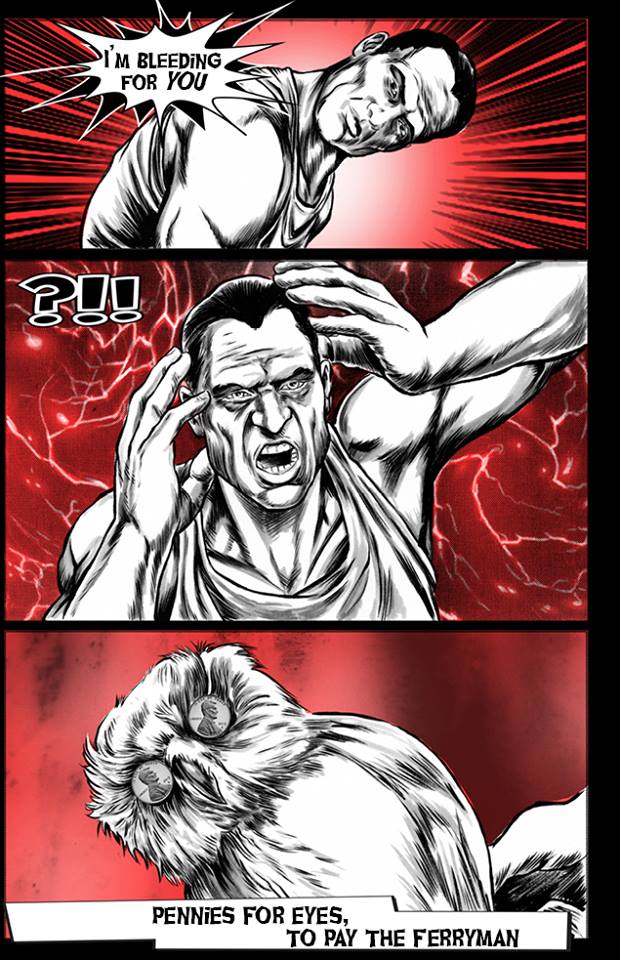
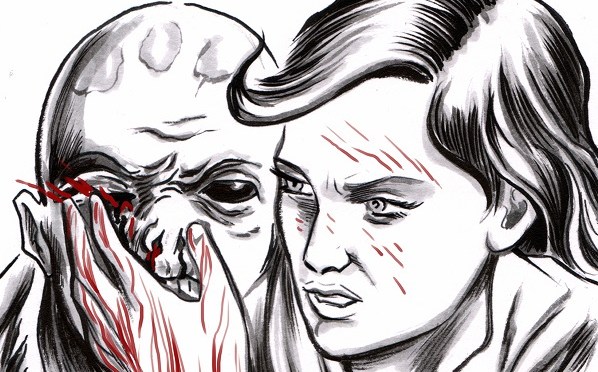
So 47 glorious pages later, Monty had finished the art, the lettering had been done, and it was off to the printers in time for launch at Melbourne ComicCon. ‘The Road’ is a story of gods and monsters, of self-discovery and a battle for identity for the heroine. It’s hard and it’s bloody and she unapologetically owns it.

Page3

The other story, by GN Braun is ‘His Own Personal Golgotha’ – a search for redemption through horror-filled pages again brought to wicked life by Monty Borror. It’s a visually stunning piece that doesn’t pull any punches. It’s kick-arse.

I also get to share this experience ­– my first ever launch – with my daughter, and that’s pretty damn special. She’s just as excited as I am, despite the fact she isn’t allowed to read the comic as it comes with a ‘R’ rating, but she’s very much looking forward to wearing an exhibitor pass and exploring ComicCon.

So if you’re in Melbourne over the weekend, come say hello and take a look at the comic – we’ll even sign it for you! For anyone who can’t make it, the comic will be available on Amazon next week, in either black and white or spectacular colour.

road page 9

Now, I’d better go pack, I have to be up in five hours.

Don’t Be A Dick

Let me say that again: don’t be a dick. Four simple words with an equally simple message, but it seems there are those in the writerly community having a really hard difficult time not being dicks – some on a truly epic scale.

I’ve followed for a while the debacle that is the Hugos. I say ‘a while’ because it didn’t take long to become bored and disenfranchised with the whole thing, especially once it devolved into the slinging of poo from both sides. To say the Hugos have been irreparably damaged is an understatement. The honour of having ‘Hugo winner’ or ‘Hugo nominated’ stamped on the cover of your book has been lost. That’s a real shame. Will the awards recover? Only time will tell. Time, and whether Vox Day continues with his toxicity.

It was the perfect example of how ‘don’t be a dick’ would have helped those on all sides of the Hugo debate. Once you devolve into vitriol to further a cause (valid or not), you lose not only any sense of decency, but there’s a real chance you lose your reputation, and for writers, reputation is everything. No matter how good a storyteller you may be, if you’re a dick, you’ll find there are publications and editors that will refuse to work with you.

nice things

If only the dick-ness had been limited to the Hugos, but *le sigh* it wasn’t. Another spat broke out between authors that had political leanings (shades of the Hugos) at its core, which then resulted in one of those involved ‘one-starring’ the other author’s books on Amazon. Apparently this author isn’t a five-year-old child. Other authors were dragged into the mess, and yet again, playground behavior and bullying was the order of the day. Now I’m not saying all involved were ‘dicks’, some of those dragged into this acted with decency, common sense and rose above, but it was enough to spread quickly through the writerly community and draw more sad sighs, eye-rolls and mutterings of ‘again?’ from those sucked pulled drawn into the vortex.

Just recently I became aware of an instance of ‘dick-ness’ that struck a little closer to home, and which raised my ire. A friend and fellow author (who I won’t name for privacy reasons) was at an anthology launch where their story was listed as the lead – a well-deserved honour; it’s a wonderful piece. However another author (well-known in the genre) took it upon themselves to tear into my friend, stating without compunction that they’d paid to have their work included, that the story was shite, as was the antho (apart from dick-author’s work, of course), and that they wouldn’t be promoting it because all of the above.

This tirade was unprovoked and left my friend shocked and disillusioned with their work. I was furious. Still am, hence this post. I’ve little doubt that jealousy and the dick-author’s insecurities led to the words, but that doesn’t make it any way right. Not by any means.

booo!

Writers are an insecure bunch, myself included. We’re our own worst critics, and even those of us with publications (big and small) under our belt still have those moments of despair. When author friends have their successes we’re absolutely rapt for them, but there’s also a little stab of jealousy involved with those successes – we wouldn’t be human if that wasn’t the case. But here’s where the ‘don’t be a dick’ comes in (damn, these double-entendres are killing me). It’s simple really. If you feel like being a dick – don’t. Take any negative feelings toward another writer and turn it into the drive to write more, write better. Chanel that energy into non-dickness.

I’ve mentioned in a previous post that writers are a solitary folk, that most of our time is spent in created worlds, but there’s a real joy in connecting with like-minded beings, with those who understand the intricacies and quirks that make you a writer. You need these connections, and not just on a publishing platform, but for your sanity. And if the Hugos, Sad Puppies, Rabid Puppies and all the other author-transgressions are anything to go by, that sanity and sense of community is slowly decaying.

We’re in this together, peeps. Writing is truly the best gig in the world; don’t turn it into a toxic playground by being a dick. Simple.

don't be a dick

Feeding the Soul

Saturday night I ventured into the heart of the best city in the world for the Sydney Writers’ Festival, which was set to the backdrop of the festival of lights – Vivid. It was a fantastic night that all started with a forty-five minute walk, and what a walk it was!

Streets were closed from the middle of the city all the way to Circular Quay and around The Rocks, and I can’t explain how much I enjoyed walking down the middle of George Street, surrounded by so many but revelling in the solitary exploration of my home town lit up like magic. Those forty-five minutes, free to walk and explore and indulge on my lonesome was food for the soul.

opera house

Sydney Opera House under lights

I’m not sure how many writers’ festivals have a light, music and ideas festival running concurrently, but more need to. The Sydney foreshore, which is always beautiful, was transformed into a city of the fantastique. There were so many things that drew my attention… and probably why I made it to the auditorium by the skin of my teeth.

I was in the audience for the ‘5 x 15’ – five speakers chat for 15 minutes a piece. No scripts allowed! It was an eclectic lineup, too. A cook, crime writer, investigative journalist, rapper/poet/novelist, and violinist. Something for everyone, I thought, but not everything for all.

I’m happy to say I was wrong.

We began with cook (and MasterChef winner) Adam Liaw. Now I’m not a cook, not by any stretch of the imagination, so I wasn’t quite sure how Adam’s words would apply to me, but… he was great! Sure, a lot of what he spoke about was food related, about breaking food down to its main elements and drawing from there. Pretty much like you do for fiction. Adam was engaging, amusing and more insightful than I imagined.

baking

Next up was US crime writer Michael Connelly. Aah, fiction writer! I admit I haven’t read any of Michael’s books, but that will soon be rectified. He told us about his first novels (ones that will never see the light of day, which is always great to have in common), but I was most impressed with the research he undertook that turned his “crappy” novels into best-sellers. It’s the little things that count, the nuances of character, the attention to detail (no matter how small), that make a story. It’s this kind of information that’s invaluable to a writer, and I thank him for it.

Then came Kate McClymont. I’ve read a lot of her investigative pieces, especially with regard to the political shenanigans of our government – she’s very, very good, but I had no idea how funny she was. I’m sure she ran over time, but it didn’t matter. She had the auditorium in fits of laughter and entertained like a true show-woman. She was definitely going to be a hard act to follow.

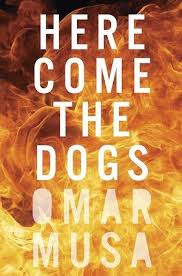
Enter Omar Musa. Another Australian novelist/poet/rapper not on my radar. Now Omar had cheat cards, of which he readily confessed (but rarely looked at). Against the rules? Maybe. Did any of us care? Nah-ah. Omar is a finalist for the Miles Franklin Award for his novel Here Come The Dogs, and what he gave us was amazing. Part poetry slam, part biography, it was a feast of rhythm and verse and lyrical beauty told with an honesty that had me buy his book (and have it signed – he’s humble and happily chatted to all who came to him). It was brilliant. Just brilliant.

Here Come the Dogs

When the last speaker, concert violinist Richard Tognetti took the stage, he told us his 12-year-old son told him he’d better be funny as the previous speakers were amazing. Pressure much? Richard is one of the top violinists in Australia, and boy can he talk a million miles a minute! Nerves were definitely there, and at times, so fast did he speak it was difficult to keep track of where he was taking us. He had with him an extremely rare violin that was hundreds of years old – the history behind it (rapid though it was), was interesting, but when he put that instrument to his chin and played for us all… magic. He was transposed from this almost manic dialogue into a virtuoso of calm and beauty as he seemed to romance music from the violin. Such a fitting end to an incredible panel of speakers.

A special shout-out to the always lovely and quick-witted Diana Jenkins who emceed the event – amazing job!

After having my newly-purchased book signed by Omar Musa, it was off for drinks until there was only two of us left – me and my mate, Deb. We had a great (if not cold) stroll around the harbour foreshore, taking in the sights of Vivid, discussing the speakers and just generally laughing our arses off (as we tend to do when together).

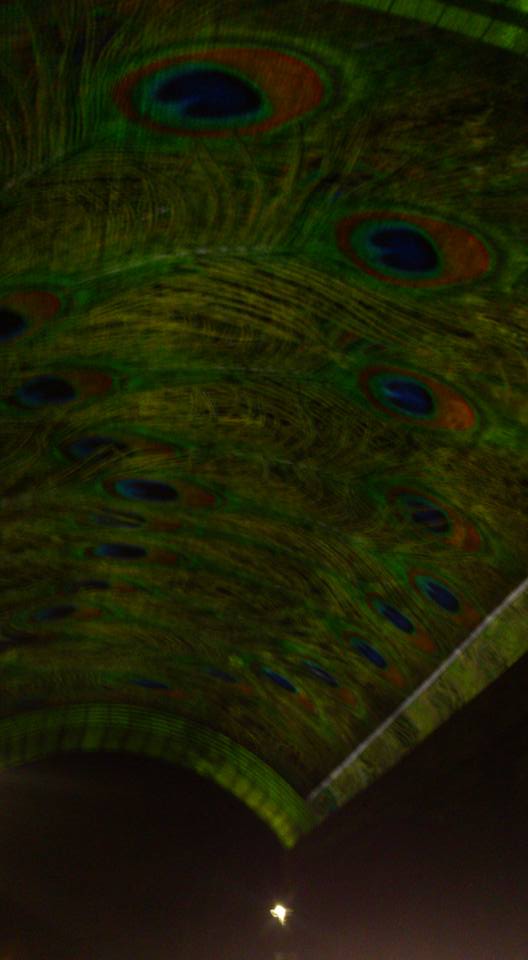
peacock feathersfaces

The Argyle Cut and Martin Place Faces

For those of you who haven’t attended The Sydney Writers’ Festival, you don’t know what you’re missing. It’s a week-long event, with days and nights chock-full of panels and discussions, book launches, culture and heritage… there really is something for everyone. If you’re a reader, it’s a chance to connect with favourite authors and discover new. For writers, who really do tend to be solitary creatures, it’s a place to revel in your passion, to talk about stories and the realness of your characters (without those strange looks you sometimes get from non-writerly peeps), and connect with those who love what they do as much as you do.

For me? Well I got all of the above, and so much more. I’m inspired, determined and I learned – something a writer never stops doing. And I can’t wait to do it all again next year.

pyschedelic building

Now get thee to a writers’ festival!

Awards and Such Things

I meant to write this post before I left for my holiday but having two kids who’d rather video game than pack meant all my days blurred. But now it’s time to have a little chat about awards and such things most writers say they care little about but secretly (and sometimes not-so secretly) want. Sure, we write because we love it, because we’re driven to create words and worlds, because we’d go crazy if we didn’t, but recognition, be it via a sale, a kick-arse review, an award or recommended read is something every writer craves – that external validation that tells us we’re better than that little voice inside telling us we’re shit.

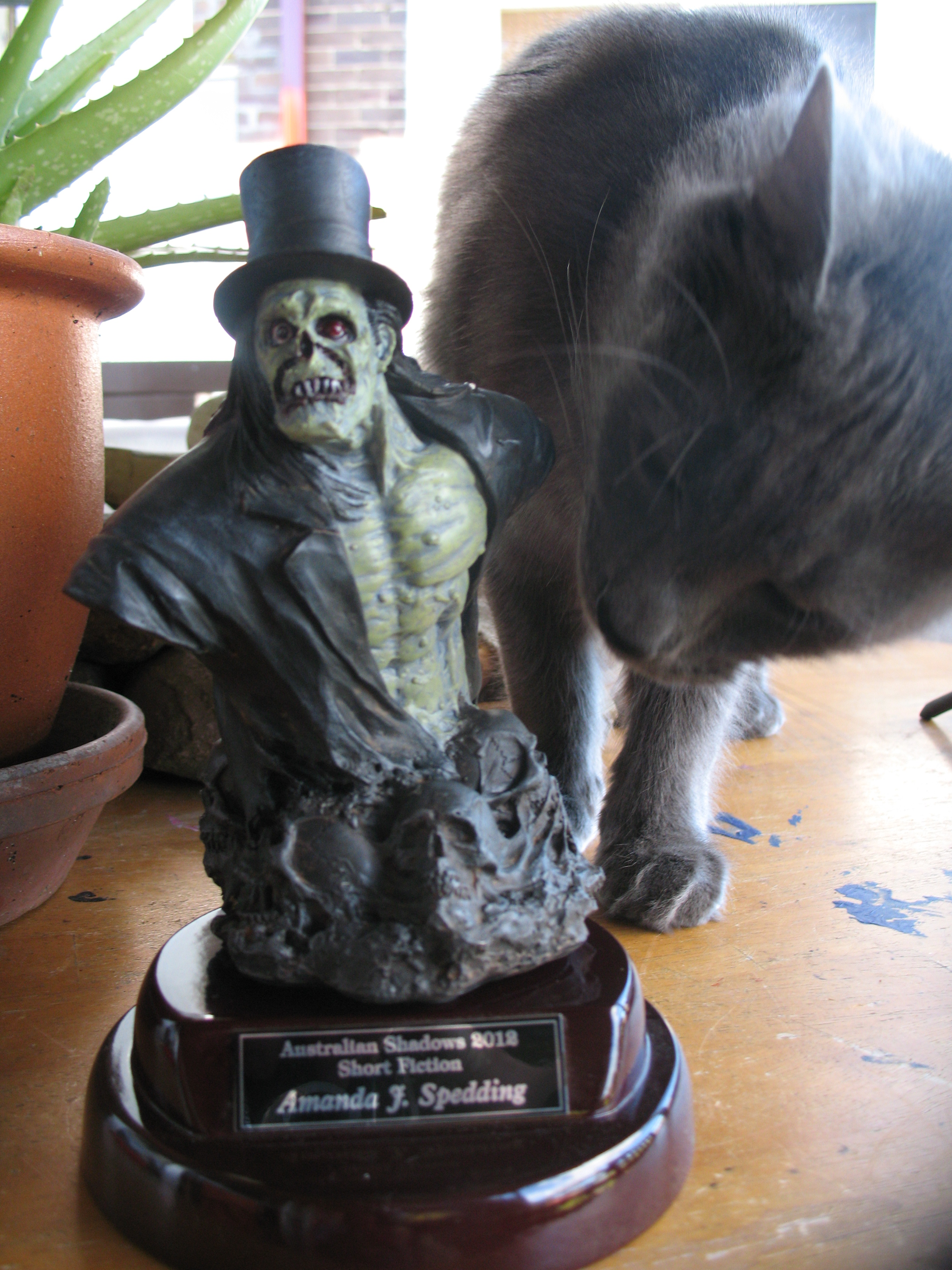
The first six months of the year are filled with awards (too many to list here), and the Australian Shadows Awards are the latest to hit my shores. Run through the Australian Horror Writers Association, it’s the premier awards for Australian and New Zealand horror that always presents really cool trophies – a different one each year, so you never know what you’re going to get.

AHWA

I had a pony in this race under the ‘edited works’ banner as co-editor (with Geoff Brown) for SNAFU: An Anthology of Military Horror. It was a strong field, up against Simon Dewar’s Suspended in Dusk anthology, and SQ Mag (issue 14) edited by Sophie Yorkston, and with just a week to wait from finalist announcements to the reveal of the winner, it was Sophie Yorkston and SQ Mag who took out the win.

Was I bummed? Sure – who doesn’t want to win an award for the work they’ve put in? Did I edit the anthology with the hopes of winning an award? No. I edited the antho because I got to work with some amazing authors with equally amazing stories. Of that I’m proud. An award win would have been a nice shiny cherry atop a kick-arse cake.

SNAFU cover art

There were four other categories: short fiction, long fiction, novel, and collected works – all with diverse and strong entries, and I was crossing my fingers and toes that two of my buddies (and fellow Sydney SHADOWS boozers) would take out a win.

Huzzahs happened when Andrew J McKeirnan won for his amazing collection Last Year When We Were Young. This is a fantastic collection of shorts that I reviewed here. If you haven’t read it, get off your bum and seek it out – you won’t be disappointed. Andrew’s been a Shadows Award finalist… well, heaps, so it was about time he took out the win. I’m sure he felt the same.

True to form, Alan Baxter took out the win for the short story category with Shadows of the Lonely Dead. He had two nominated works in this category, so that just shows you how much of a damn fine writer he is. Head over to his website and check out his work then buy it. Go on. What are you waiting for?

The novel category was taken out by Aaron Sterns and Greg McLean for Wolf Creek Origins (yes, of the Wolf Creek cinematic fame). Nightmare-inducing fun this! Fun? Okay, so maybe my idea of fun is a little different from yours…

Shane Jiraiya Cummings won the recently renamed Paul Haines Award for Long Fiction with Dreams of Destruction. While I haven’t read this story, I’ve read Shane’s work and I’m not at all surprised he took out this category.

So I didn’t win an award this year – that’s okay. I’ve been a finalist for the Australian Shadows Award, had SNAFU listed as a recommended read on the Bram Stokers’ ballot list, and the reviews for SNAFU have been incredible. I call that a win. I’d be lying if I said it was the ‘win’ I was looking for; you see, I’ve won a Shadows Award for my short fiction, and that’s an addictive high. I want to win another. Hell, I want a win a slew of awards. When I get hit with that writer-imposteritis, the trophy that sits atop my desk tells me I can do this writing thing; that I’m good enough to win an award, no matter what that inner voice says.

011

The big winner here, though, is Aussie horror fiction, which is going from strength to strength, with recognition and appreciation for the power of Australian storytelling making those around the world sit up and take notice. And well they should.


Why You Can’t Argue With Crazy (and should you?)

No, I didn’t forget Women in Horror Month. Yes, this isn’t technically posted in February, but I wanted to see the month out before I wrote my opus. I’m a woman who writes horror, and on my good days (when the writerimposteritis isn’t gnawing on my ankles) I think I write horror well. So when I hear of those who think women can’t or shouldn’t write in the genre I love, I get my back up. But what good does that do? Those who spout such nonsense want exactly that angry reaction. Most of the time they’re trolls, but every now and then you’ll find that misogynistic belief really is their truth and nothing and no one can dissuade them. You can’t argue with crazy.

Last year I wrote a piece on the best way I’ve found to handle any vitriol thrown my way regarding my choice and ability to write horror: Fuck the Naysayers and Make Good Art. I’ve heard all the arguments against female horror writers: we’re too soft, we’re nurturers, we don’t understand horror, we dilute it, we’re… (wait for it)… always putting romance in horror.

Like I said, you can’t argue with crazy.

can't argue with crazy

February 2014 was particularly nasty when it came to WiHM. Truly terrible and disgusting things were said. The first two weeks of this February, however, were fantastic. There were blissfully positive posts and interviews, the sharing of fellow authors’ work – a real sense of community and support. Then someone had to ruin it for everyone.

I’m not going to name names here but it spawned #horrorhags, and that should give you a pretty good idea of what was said about one female horror writer in particular before all were tarred with that same brush. It united horror writers and had, I’m guessing, the opposite effect the person intended. Or did it?  One has to wonder if the stupidity of comments such as these is nothing more than to raise someone’s profile, garner interest in their books, get the horror community talking about them et al. But really, who’d be that stupid? You’re insulting potential readers, you’re embarrassing your publisher, and the chances of you getting another publisher are now pretty damn slim. Authors remember. Editors remember. Publishers remember. The horror community remembers.

Thing is, you can’t control what people think, what people say, and how people act (especially on the Internet). You can only control what you think, what you say, and how you act. I’m not saying don’t take on the controversial issues, self-censorship isn’t the way to go either, but remember that trolls and those who forgot to activate their ‘don’t-be-a-douchewaffle’ button, are always going to be around, and they’re going to say and do things that will make you want to rage-quit humanity, but is that what they want from you? An escalated reaction? Notoriety? Do you want to feed that?

horror hag

WiHM seems to attract those who want to start a brouhaha (not a discussion) about exclusivity when it’s all about inclusivity. Why give the douchewaffles what they want? I’d never heard of the writer whose rant started the #horrorhag – now I do know their name. So was this ‘mission accomplished’ on the writer’s part? Tough call that. Yes, I know their name (some would say that’s marketing gone right), but it also went very, very wrong as a lot of publishers now have this person on a ‘blacklist’. They won’t publish them. Ever. I’d say that’s marketing gone wrong.

Writers are a passionate bunch, and as a whole a damn supportive one – woe betide anyone who messes with our community. And community it is. Writing is a mostly solitary profession, so when we find and meet like-minded folk, we celebrate the wonder and weirdness that is who we are and what we do. No one understands a writer like another writer. So when a scribe takes aim and fires those misogynistic bullets, they don’t just hit the female horror writers, they hit us all. I mean, dude, that shrapnel goes everywhere. And no one likes to be shot at; no one likes their friends and peers shot at, regardless of gender. But to do so during WiHM? That shit be crazy, and I do have to wonder at their motives.

It’s no secret that getting your work and your name out there and recognised isn’t getting easier – it’s simple mathematics (I can do it and I suck at math). The advent of self-publishing has increased the amount of books available to readers, which, as a reader myself, isn’t a bad thing; as a writer, you need to stand out in the crowd. (Hint: decrying female horror writers probably isn’t your best bet). So part of me wonders if this wholly uncalled for #horrorhag rant wasn’t a publicity stunt gone wrong. If so… bad call, dude. If not… well, you can’ t argue with crazy.

All I know is that I will continue to write the best horror I can, and I will continue to support WiHM until there’s no need for it, and I will continue to support my fellow horror writers regardless of what does or doesn’t swing between their legs.

Now if you’ll excuse me, I need to go disembowel a despot…

WiHM 2015