Category Archives: Writing

SNAFU: PUNK’D AUTHOR SPOTLIGHT – RPL JOHNSON

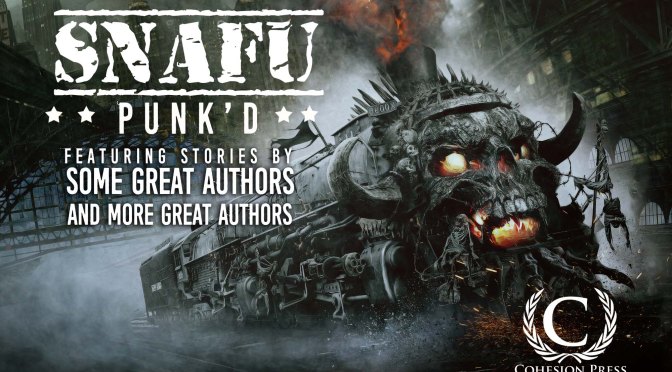
With the release of SNAFU: PUNK’D exploding into the world at the end of October, we at Cohesion Press will be getting the bullhorns out to shout the names of our authors and regale you with the tales they’ve spawned for this edition. So, it’s promotion time for all of our storytellers with an author spotlight that gives insight into their imaginariums (tread veeeery carefully), and a tease of their story.

Right then, mount up!

For our seventh instalment of the SNAFU author spotlight, please give a hearty-horror welcome to RPL JOHNSON!

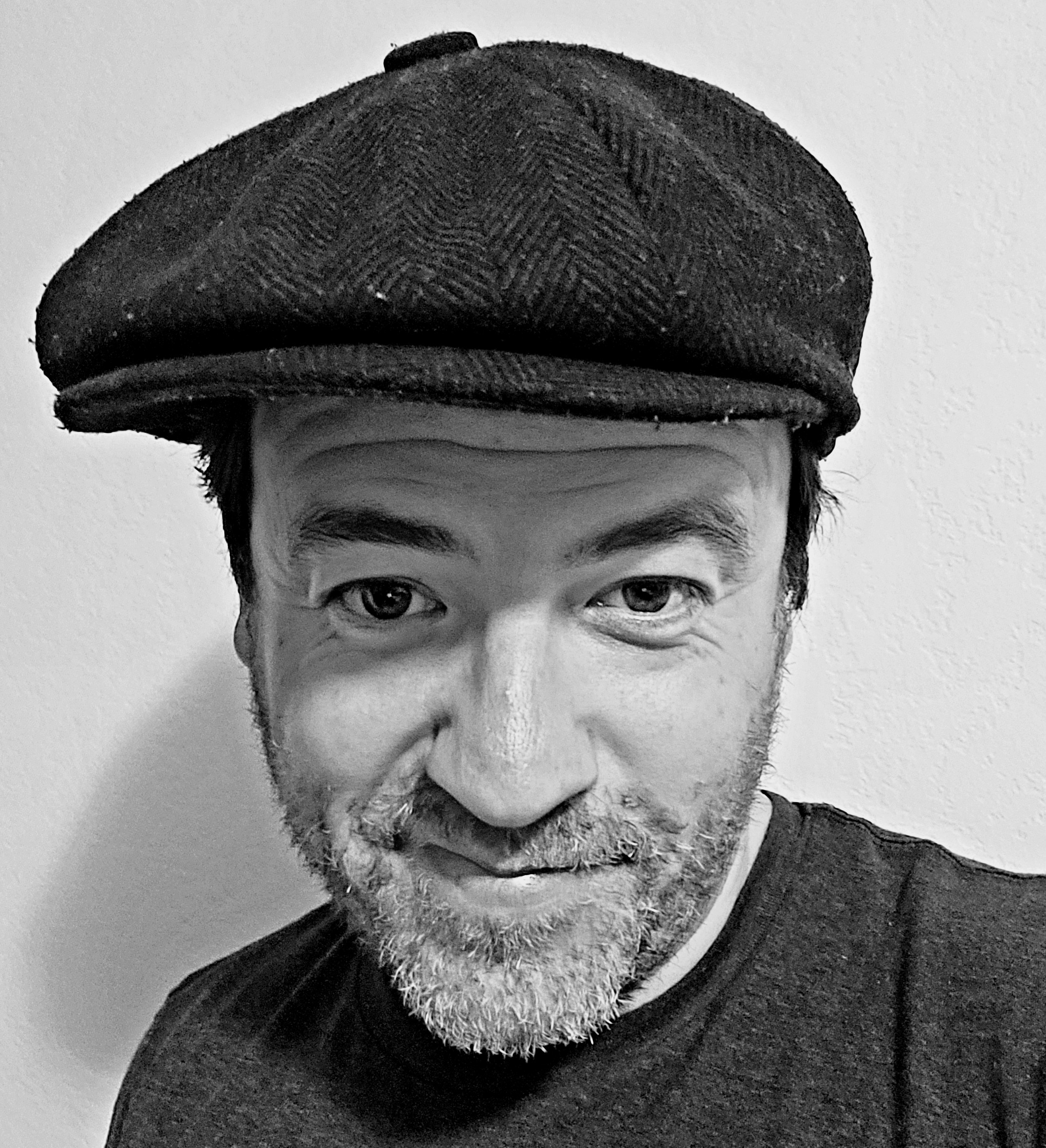
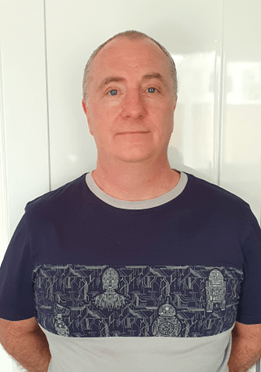
Richard is an Australian science fiction writer and winner of the Gold Award at Writers of the Future and the Jim Baen Memorial Award. King Rat is his fifth appearance in the SNAFU series. He lives in Melbourne with his wife and two young sons and is currently working on a novel, Mappa Mundi, set in the King Rat universe.

As Richard just told you, for SNAFU: PUNK’D, he has melded bio and cyberpunk for his story KING RAT: A cybernetic mercenary with all the aspects of the Chinese zodiac discovers a link between his own past and his latest quarry – a shared history and the chance to right a decades-old wrong. But can he find something more than just revenge

You can find Richard on his socials below:

Website: http://www.rpljohnson.com

Facebook: https://www.facebook.com/profile.php?id=100064051633356

Twitter: https://twitter.com/RPLJohnson

To celebrate the release of SNAFU: Punk’d, Richard’s sci-fi novel The View from Infinity Beach will be on sale for just $2.99 starting on Halloween https://www.amazon.com/dp/B08W347VZD.

Or if you fancy more short stories, why not pick up my collection Skull Candy https://www.amazon.com/dp/B0B86SLPV8

SNAFU: PUNK’D AUTHOR SPOTLIGHT – CJ GOLDBERG

The release of SNAFU: PUNK’D is stalking with very little stealth toward the world, and we at Cohesion Press are getting the stage lights all set up for our authors and the tales they’ve forged for this edition. Which means it’s promotion time for all of our storytellers with an author spotlight that gives insight into their imaginariums (use the stealth when approaching, my friends), and a tease of their story. Buckle up!

For our sixth instalment of the SNAFU author spotlight, put your claws together for CJ GOLDBERG!

As a kid, C.J. spent his days exploring the Montana woods, reading horror, and watching scary movies. He soon discovered that storytelling was his passion.

After graduating from The University of Montana with a degree in Acting, C.J. worked as a professional poker dealer for 14 years in Montana bars. During that time, he never gave up on his dream of becoming a horror author. He studied writing craft extensively through books, courses, and workshops, and in 2017 he moved to Glasgow, Scotland while his wife attended graduate school. This allowed him to focus full-time on his writing career.

He now lives in Petaluma, California, with his wife and two kids where, when not changing diapers, he is writing his debut novel, a cosmic horror story set in a remote Montana town.

Cohesion Press is chuffed to bits that we will be presenting to the world CJ’s first published story.  For SNAFU: PUNK’D, CJ has dipped his hands into all that is bio-punk with FACTORY OF FEAR: A mercenary and her team search for her team search for her missing brother in a monster-infested bio-factory.

You can find CJ on Bluesky: CJWritesHorror.bsky.social

SNAFU: PUNK’D AUTHOR SPOTLIGHT – MYNA CHANG

With SNAFU: PUNK’D just weeks away from publication, we at Cohesion Press want to rave about our authors and the tales they’ve penned.  We’ll be promoting all of our storytellers with an author spotlight that gives insight into their imaginariums (be afraid), a tease of their story, and promotes their other writerly works as well.

So, without further ado, let’s roll out the red carpet for our third author in this promotional party… MYNA CHANG!

Myna Chang (she/her) is the host of Electric Sheep SF. Her work has been selected for Flash Fiction America (W.W. Norton), Best Small Fictions, Beneath Ceaseless Skies, Small Wonders, Daily Science Fiction, and MicroPodcast’s special science fiction edition. Her micro collection, The Potential of Radio and Rain (CutBank Books) was published in 2023. She has won the Lascaux Prize in Creative Nonfiction and the New Millennium Writings Award in Flash Fiction.

For this editon of SNAFU, Myna has delved into the dark arts of biopunk (yay! Ahem, as you were…), with her story, SITUATION NORMAL: Neuro-linked retrieval specialist Jenna Jones and her canine partner are assigned to rescue a scientist from a secret research facility. Turns out he’s stupid and the building is covered in alien snot, so, you know, another ordinary day.

You can find Myna online in the links below:

Website: https://mynachang.com/

Twitter: https://twitter.com/MynaChang

Bluesky: https://bsky.app/profile/mynachang.bsky.social

And here’s a little sumpin’-sumpin’ about Myna’s micro collection that you should definitely check out:

The Potential of Radio and Rain is an award-winning collection of micro fiction by American author Myna Chang. Set in the unforgiving landscape of the shortgrass prairie, these stories explore youth and mortality, love and yearning, through characters who are stubborn and quirky – and ultimately, filled with hope. Released in February 2023, the collection is now in its second printing. Available from CutBank Books.

SNAFU: PUNK’D AUTHOR SPOTLIGHT, MARK RENSHAW

SNAFU: PUNK’D is just weeks away from publication, and we at Cohesion Press want to heap praise upon our authors and shout their names into the sphere. So… we’re gonna! We’ll be promoting all of our storytellers with an author spotlight that gives insight into their imaginariums (you will never be the same…), a tease of their story, and promotes their other writerly shenanigans as well.

For our second author in this promotional party… MARK RENSHAW, come on down!

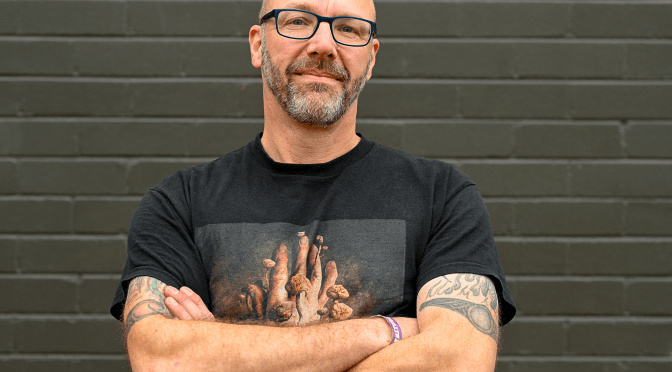
Mark is a self-taught writer from a working-class background based in the north-west of the United Kingdom. By day he works in business software development; on weekends, he is a writer of prose, screenplays and produces the occasional short film. 

He has had two short stories, Fear and No Title published in An Eclectic Mix Vol 7, alongside several international competition winners. His sci-fi short story Automatic Drive was published in The Singularity50 anthology, while his short story Ragnarok was included in SNAFU: Resurrection published by Cohesion Press. He is currently working on his debut novel series, a sci-fi comedy trilogy called Cyborn. 

With his screenplay hat on, Mark won Best Short Screenplay at the 2022 Austin Film Festival. He’s also won Euroscript’s Screen Story competition, Shriekfest, and the Inroads Screenwriting Fellowship.  

Mark has written and produced several short films, including The Dollmaker, which has over 24 million views on YouTube, and a mini-series called So Dark. 

For SNAFU: Punk’d, Mark has stitched from both cyberpunk and mythos with his story, BATTLEBORG: A military cyborg who is the last line of resistance makes a final stand against mythical creatures that have enslaved Earth.

You can find Mark online in the links below:

Amazon Author Page: https://www.amazon.co.uk/-/e/B0753H1VPV 

Website: www.mark-renshaw.com 

IMDB: https://www.imdb.com/name/nm0719825/ 

Twitter: https://twitter.com/markyrenshaw 

Linkedin: https://www.linkedin.com/in/mark-renshaw-559b8a21b/ 

BlueSky: https://bsky.app/profile/mark-renshaw.bsky.social 

Instagram: https://www.instagram.com/m_w_renshaw/ 

SNAFU: PUNK’D, AUTHOR SPOTLIGHT

With the launch of SNAFU: PUNK’D just weeks away, Cohesion Press would like to take this opportunity to not just thank our authors but to shout their names from the rooftops. As such, in the lead up to publication, we’ll be promoting our storytellers with an author spotlight that not only gives you insight into their imaginariums (brace, brace, brace!) and a tease of their story but promotes their other writerly exploits as well.


So to kick-off this promotional party… <raises bullhorn>… please welcome ALAN BAXTER to the stage!


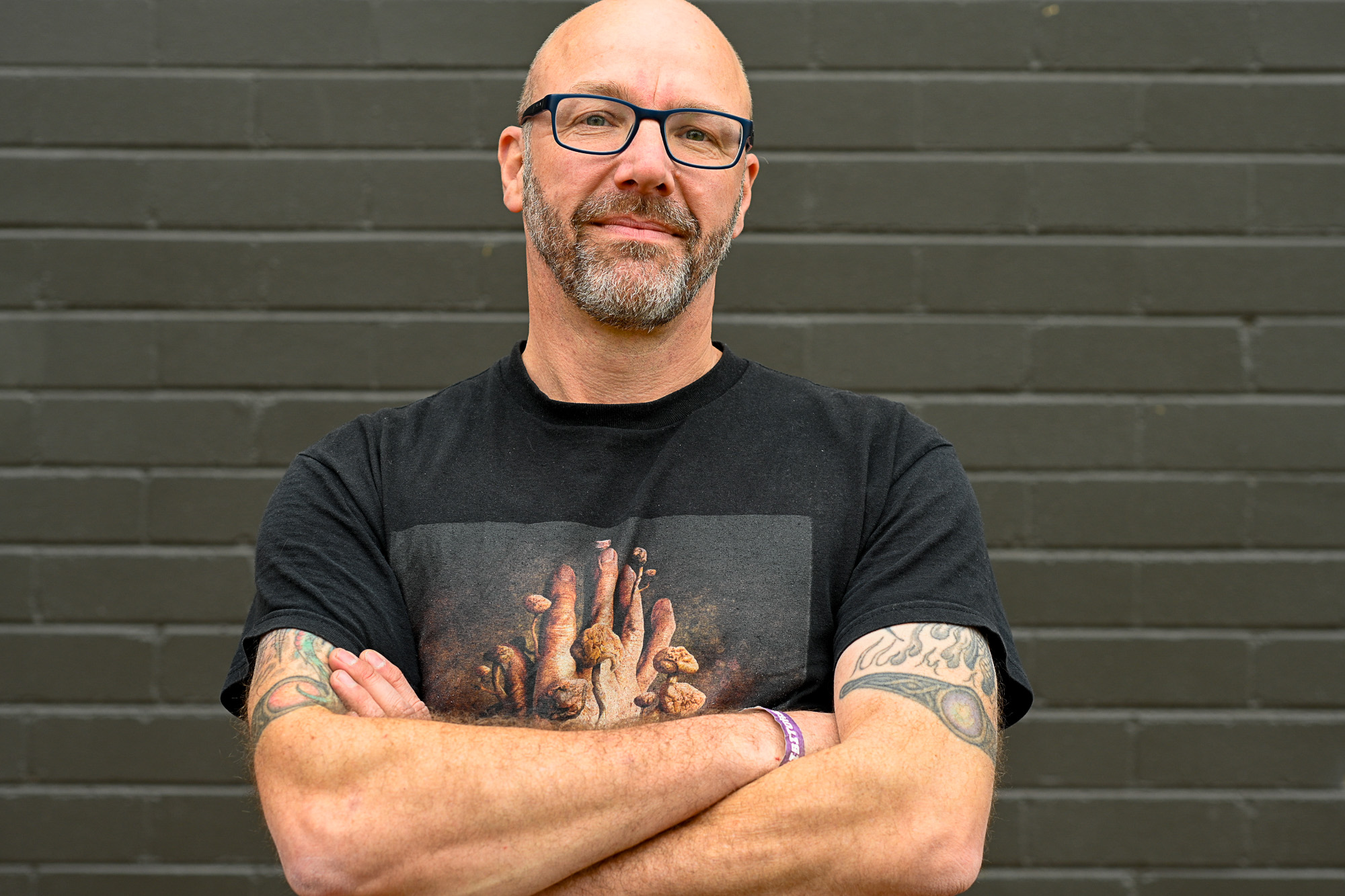
Alan Baxter is a multi-award-winning author who This Is Horror podcast called “Australia’s master of literary darkness” and the Talking Scared podcast dubbed “The Lord of Weird Australia.” He’s also a martial artist, a whisky-soaked swear monkey, and dog lover.


He has penned many a SNAFU tale, and one of those—In Vaulted Halls Entombed—appeared in season 3 of Tim Miller’s Emmy-winning animated series Love Death + Robots. Think monsters, elder gods, and much weaponry… and horror. There is much horror.


For SNAFU: Punk’d, Alan has breached the cyberpunk network with his gritty tale, CLEAN-UP CREW: Someone’s gotta do the dirty work…


You can find Alan online at: www.alanbaxter.com.au, and his socials here: https://linktr.ee/alanbaxter

Keep an eye out for our next author spotlight. Coming soon to a theatre near you…

The Thing About Shorts (the stories, not the pants)

I adore shorts. It’s where I honed my skills as a storywriter, and where I continue to hone them. I’m time poor when it comes to writing, with my days filled with client editing—which I love, don’t get me wrong; but to feed that part of my creative soul, I tend to concentrate on shorts (yes, the stories, not the pants).

There’s a real challenge in creating a complete tale within a limited word count, and not just a complete tale, but an engaging one. A tale that drags the reader in and leaves an indelible mark. To have a story we’ve penned, linger, is something for which every writer strives.

That doesn’t mean writing shorts is easy. It ain’t. Especially with tales that have to fit within the teeny-tiny side of word counts. Micro-fiction is its own beast, and she’s a harsh mistress. Every word needs to fight for its place, and it was quite the brouhaha with my latest tale, Of Hawks and Sparrows, published by Nightmare Fuel Magazine where the limit was 666 words. You read that right, just 666 words. I was up for the challenge. And hoo-boy, was it a challenge.

Artwork by Andrew J McKiernan for my story Nightmare’s Cradle (it’s beautiful and fits this tale too)

The theme for this sub-call was: ‘Love Has Teeth’. Quite broad ranging but that just opens a multitude of pathways begging for exploration, especially as love comes in all forms, from romantic to familial to platonic and everything outside and in-between. For me, it was more about the ‘bite’. What are we prepared to do for those we love? How far will we go? How dark will we descend for those who hold a place in our heart?

Of Hawks and Sparrows had been niggling at me for a month or so. I had a basic premise and about eleventy-million different ways it could play out. But my mind is sometimes like a browser with all the tabs open, and I was flitting from path to path until I saw the open call. Then, like a forced reboot, it all fell into place. Kinda. See, no matter how solitary the writing process is, we don’t do this alone.

So, a vomit draft later, and well over 666 words, I gnawed this baby down to its bare bones to see if the story made any kind of sense. And with the persnickety eye of my best friend and writerly cohort, Devin Madson (check out her storytelling, it’s amazing), I hit 666 words on a tale that not only made sense, but which hit all the marks I wanted. Dark, gritty, bloody. Much bite.

Eleven stories were selected for this online showcase of Australian writers, and you can go HERE to read all the shorts (yup, stories not pants!). With each read topping-out at around a minute each, if you’re as time-poor as I am, click that link for a free dose of horror. You can stuff your face with tales or take bite-sized morsels. Each story has its own take on the theme, its own flavour, if you will. Bon appétit!

Nightmare Fuel has also opened their next sub-window with the theme: ‘Don’t Let Them In’.

And yes, that’s a 666-word limit for stories and, as I mentioned above, the magazine is wanting to showcase Aussie authors, so this call is open for Australian citizens and residents only.

As I’m wont to say: read the guidelines, BE the guidelines.

Right, that’s one story acceptance for 2023, here’s hoping for more.

Note: No shorts of the pants kind were hurt in the making of this post.  

Giddy-up! It’s submission time!

Mount-up, my friends, Cohesion Press‘ submission period for the next in the SNAFU series is upon us! SNAFU: Dead or Alive is open for subs, and we want your best weird western, action, horror stories.

As the editor-in-chief for Cohesion, and as is my wont, I always supplement the guidelines with my thoughts on the process and detail what we’re looking for and what we most definitely do not want to see in the slush pile. As is also my wont, this post will be filled with gifs to visually enhance this post because snark via gifs is such fun!

Right, don your riding boots and ten-gallon hat, let’s get this rodeo started!

See the source image

If you’ve read this far, I’m also hoping you’ve read the guidelines (super important), and understand that we want ACTION and MONSTERS within the theme of weird westerns. Both of those points are vitally important. No action? No sale. No monsters? No sale. If you don’t hit theme? You guessed it: no sale.

All the SNAFU series are action-based, military horror anthologies, and I cannot stress enough how that action has to be there if not from the get-go, then pretty soon after. We get a lot of submissions, and you need to grab my attention pretty damn quickly, make me want to read on. Make it impossible for me to not read on. Do that with action or with monsters or with a character(s) I’m invested in… or a combination of all. Give me the heroes and the villains, the hero-villains, monsters that roar and those that slither through shadows. Ignite your imagination of the nightmare kind and put that pen to paper.

There are three phases to the submission period. The first is slush, where I read all the stories and your tale is either rejected or moved to a longlist (note: no feedback on slush rejections, please don’t ask). From the longlist, all stories will be read again and either rejected or moved to the shortlist (note: no feedback on longlist rejections). From the shortlist, the ToC will be selected. Feedback will be given on shortlisted rejections. No acceptances will be given until the submission window is closed, and while we move to make this as quick a process as possible, we are diligent in our decisions, which means don’t expect an acceptance letter the day after the sub window closes.

Right, so now we get to the DO NOT WANT part of this blog post, and while these are mentioned in the guidelines, they always need to be amplified because there are those who either fail the comprehension part of this, or just choose to ignore it. Do not be that person.

The fact that I have to write a post for every sub window about the DO NOT WANT goes to show that this is an issue we continue to have. I like my eyes, do not subject them to the following:

  • Rape as a plot device/backstory
  • White saviour stories
  • Racism, bigotry, misogyny of any kind in the narrative voice
  • Child abuse/paedophilia (can’t believe we have to say this, but we do)
  • Rape as a plot device/backstory (yes, we have to say this twice)
  • Fanfiction or derivatives
See the source image

The moment I come across any of that shite in a story, it’s an automatic rejection. No correspondence will be entered into. There is no justification you can try to make that will have me listen. Guidelines are there for a reason, and the DO NOT WANT is a big damn part of that. If you have any of the above in a story you’re thinking of sending us, rewrite or send it elsewhere – we don’t want it. I cannot make that clear enough.

One of the other things I’d like to address is that this theme might have us see a propensity for white saviour stories. Don’t do that. Don’t write that, and if you think you should, then we don’t want to see it. You may think this theme is ripe for sending us that kind of shitfuckery, but you’d be so very wrong. We ain’t buying.

So many rules! (Guidelines, actually.) But they’re there for a reason, and if you can’t adhere to them, that tells me you’re likely not someone I want to work with through the editing stage.

#josh holloway from Hell is all I've ever known.

Ah, the editing stage. Yes. Your work will be edited. It could be a light edit, it could be a heavy edit — this is dependent upon each story. I am of the mindset that the author-editor relationship is one of mutual respect, and I’m happy to have discourse however, we at Cohesion edit for a reason and we will reject a story (even at ToC stage) for any of the following:

  • rude and/or derogatory comments
  • failure to implement edits and/or rewrites in a timely manner (we work to deadlines)
  • requesting a male editor (true, and shitty story)
  • attempting to slyly add words/phrases to your story that hit the DO NOT WANT marks listed earlier in this post (also a true and shitty story)

Right, that seems to be it from me for now. (Finally, I hear you say, and fair call, compadres.) But I will add that if you’re unaware, the SNAFU series is read by Tim Miller (Blur Studios), and some of the stories published in our editions have appeared in his animated series Love, Death & Robots. So send us your absolute best work. Unleash your monsters, and give us action that has our pulse quicken and our mouths run dry.

And one final note:

We actively encourage submissions from all cultural backgrounds, ethnicities, and identities. Storytelling is for everyone, and we are richer for it when all voices are heard.

See the source image

Holy Slush-o-rama!

Cohesion Press is opening their submission window October 1, for SNAFU: Holy War. So don your writing pants, it’s slush time, baby!

I love this time of… slush. It’s a lot of reading, sure, but every click to open a file ignites that hope, that wonder of finding a gem within. That’s exciting stuff, getting to read stories from authors we know and those we don’t. There’s true joy in discovering new writers, discovering new storytellers, and getting their tales out into the world.

As is par for the course with a SNAFU open call, I like to write a little sumpin’ sumpin’ about what to expect from the process, discuss theme, and provide some general pointers to make this easier for all involved… <opens arms wide> … and here we are. And just a quick note: this post will be filled with ‘David Rose’ gifs… because, well David Rose.

During our last sub-window, I wrote a post on slush and what we look for, plus a general overview of the process, which will be similar although not the same as most slush piles. That will give you a guide to what we’re looking for when it comes to SNAFU stories in the most general way – remember, be on point with theme.

And this edition is a hell of a theme.

As a mate of mine pointed out, the theme of ‘Holy War’ is a “bold move”, hence the specificity of the guidelines we’ve put together, and the special notes on what we DO NOT WANT. Pay close attention to those because we understand that in light of the theme, things could get ugly. So, in short, if you come at me with your bigotry or misogyny or your white-saviour stories, you’re not going to get a look-in. Period. Write better than that, be better than that.

At its heart, the SNAFU series is action-based military horror with characters that resonate and monsters of the nightmare kind. Tales that linger. We’re not looking for slow-burn stories, we’re not looking for trunk stories either (we can spot those, don’t think we can’t). And when we say ‘military’ that doesn’t limit you to soldiers of the contemporary kind, nor does it confine you to modern or on-world settings. We’ve published everything from Neanderthal hunting parties to far-future sci-fi within the same volume.

What we care about is killer stories told well, and considering our theme, there were tropes we wanted to address that we’d rather not see, and some you shouldn’t send us at all. If the first thing that comes to mind when you hear ‘Holy War’ is the Crusades, then that’s going to be a hard sell. We expect to see a lot of those, though we’d rather not. Same with any story that has Christian didacticism (I’ve seen enough of that in our slush to last me everyone’s lifetime). Same with any white saviour stories – we’re not buying.

We want you to think outside the box with this. Do a little research if you must. Theology has a wide range of belief systems, and faith isn’t limited to popularity. Hell, create your own faith-based doctrine, revive a forgotten one. Don’t limit yourself to a Google search. Light a fire under your imaginarium and see where those sparks take you.

Action. The more the better. Let the bullets fly, give the arrows wing, let the blades sink deep into flesh. Blow some shit up. Get the adrenalin surging, blood pumping. Give us that piss-your-pants fear-filled courage. You know, all the good stuff!

Crank up the volume of your monsters, too. Give us the stuff of your nightmare’s nightmares. Give us dread, existential dread that makes you want to sleep with the light on. Make it loud… or make it quiet. The sneaky-sneak of monsters is just as terrifying as a roar that rattles the bones, sometimes more so.

Speaking of dread, one of the things I want to address here is part of the ‘do not want’ section of the guidelines, and something I saw too damn much of during our last sub-window. Just let me get out my all-caps for this: DO NOT USE RAPE AS A PLOT DEVICE/BACKSTORY!

I’ll say again: DO NOT USE RAPE AS A PLOT DEVICE/BACKSTORY!

This should not be your ‘fall-back’ to show that someone is evil or the villain in your story. If that’s the only way you can think to give a character agency, or to show a reader a particular character is bad, then you need to re-engage your imagination. Also, do not send us that shit. You’re wasting my time and yours. It won’t be published by us. “But, but, but…” I hear you say? No. Just no. This isn’t a debate.

Right, on to the last little bit of info re our slush process. We work in phases. Slush is obvs Phase 1, and where a story is either rejected or moved to a long list. During Phase 2, all stories on the long list are read again, and will be either rejected or moved to the short list. Phase 3 is where we’ll make the final decision on the ToC. No story selections will be made until the AFTER the sub window closes.

We do not provide feedback on stories that are rejected in Phase 1. We may provide limited feedback on stories rejected within Phase 2, depending on workload. Should your story make it to Phase 3 and is rejected, we will provide feedback.

We’re writers too, so we understand what it’s like sitting the other side of the desk. We try to make this process as painless and as seamless as possible. Our decisions aren’t open for debate. Oh, and you cannot reject our rejection (true story), just sayin’.

For those of you unaware, three SNAFU stories appeared in season one of Love, Death & Robots, and some other SNAFU stories have been picked-up for season two. Tim Miller reads our anthologies, so if that doesn’t light a fire under your bum to send us your best work, then… well, then… ahh… SEND US YOUR BEST WORK!

/rant

How to not ‘finish’ a draft and still be finished.

I’m a short story writer. I love the form – the challenge to write a complete story in limited space. It’s almost a security blanket of a sort. My happy place. My safe space. Anyone who knows me well, knows I’m terrified of writing a novel. There is video evidence of this, where you can quite literally see the fear in my eyes all the way through this. The scale and scope has always put a fear in me. But something strange happened on the way through the pandemic. I wrote a novel. Not only did I write it. I loved writing it. Loved the characters and the shitty paths they have to take. The monsters I created and the mythos I imagined onto the page. And I did in just under two months.

Let me say again. Novels terrified me.

In early March, just before the pandemic hit, I managed to slip a milestone birthday through just before everything got locked down. My best friend, Devin Madson, made the journey from the wilds of regional Victoria up to Sydney to celebrate with me (she’s amazing like that).

Dev has been a constant in her “write the novel!”, as she knows there’s been one percolating for a while. Her support and understanding, her talking me through the fear and her kicks up the bum have edged me ever closer to taking the dive. Then, and I have the exact day – May 20 – I started. I finished July 17. All 139,454 words of it.

Aaand, that’s where the title of the post comes in. You see, I didn’t write ‘End’ on this draft. I didn’t ‘finish’ in the dictionary sense of the word, or probably in a lot of people’s sense of the word, but the draft was done.

The draft wasn’t finished yet it was.

I had a moment, rather, a lot of long moments of: I can’t be finished because I haven’t written ‘End’ on this baby! A stubborn part of me insisted THERE ARE RULES! THIS IS HOW IT WORKS! KEEP WRITING UNTIL ‘THE END’! Yet the Muse was sitting back, arms crossed, shaking their head – nope, we know how it ends, there are front and middle sections that don’t hold up to that end, this draft is done.

The Muse was right. So while I didn’t ‘finish’ the draft, I finished the draft.

imagination

I’d been so caught up on how I believed a novel should be written that I was forcing myself to push on when I didn’t need to. To force myself to an end I knew, and believed I had to get down on the page even when it sat well formed in my head. I knew the destination of this story, and those last few steps along its stones weren’t needed for it to be complete. I’d also written scenes within those final chapters – steppingstones to the marks I needed to hit.

Look, this is all a learning process for me, and while I work as an editor with authors on their novels, and know how this process works, advise how this process works… it’s a different beast when applied to oneself, especially when deep in the throes of those final chapters where you can see the end just beyond the hill. It’s so close you can almost touch it. The veritable gold at the end of the rainbow. Yet looking back, I had a bunch of gold along the way. Pieces I’d stashed in character and dialogue, in worldbuilding and plot-promise. I didn’t need the hoard at the end to know the draft was rich enough to move to the next stage. That mind-shift was necessary to understand that this draft was finished despite not writing ‘End’.

So the weekend was spent honing motivations for my two MCs (my storytellers), and three others who have major impact on the plot. I’m very close to finishing the chapter summaries that will guide and focus the second draft of The Novel (still no working title). I also have a family tree for the gods of this world, and an overly detailed mythos (worldbuilding is way too much fun it seems and I can get distracted…).

This has been a hell of a learning curve for me, but it’s also been a joy. And if you’d said to me three months ago that I’d have the first draft of a novel done by July, oh how I’d have laughed at you. If you’d told me three months ago that not only would I have a novel draft completed, but that I’d enjoyed the process and that I thought the draft was good, I’d have thought you mad.

Admitting the draft is good is a difficult thing, especially admitting it openly. I’ve been taking some big steps here, and as such, I’m going to start a series of blog posts detailing the process I’ve taken to get here. My process isn’t going to work for everyone, hell, it might not work for anyone, but if someone can get something from it that may kickstart them into tackling a novel (or a trilogy – yes, I’ve jumped with both feet), then that would be very cool.

Right then, I’m off to join the very broken Wren and the very broken Seda in their very broken world.

If you take nothing else from this post, know that you can write that first draft too, no matter how terrifying the thought of doing so is.

Also, fuck. Because it’s not a post from me without at least one curse word.


Exposing ‘Exposure Bucks’ (Hint: It’s not a real thing)

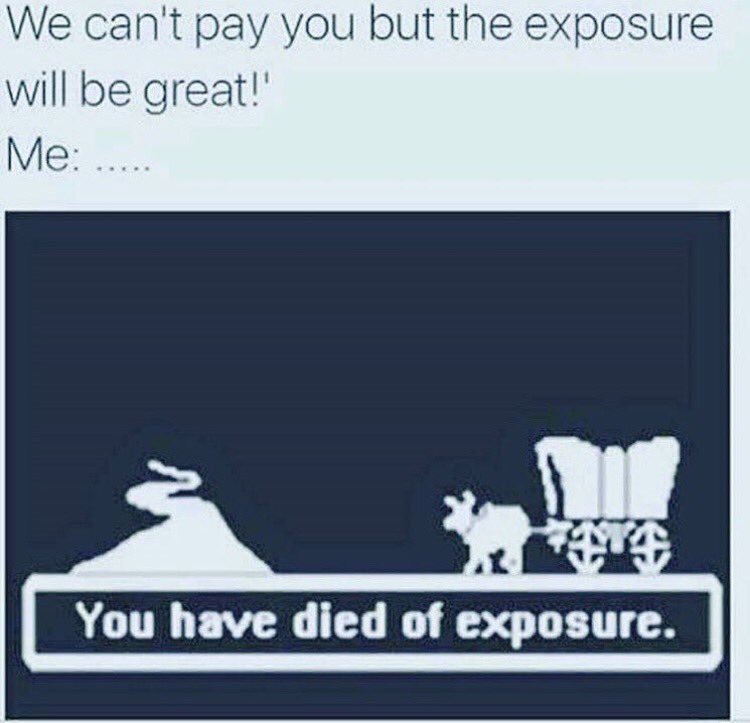
Looks like it’s that time again, and while it annoys the crap out of me to keep saying this, I will keep saying this so those new to the writing game understand: exposure is not payment for your stories. I’ll say that again for those in the back: EXPOSURE IS NOT PAYMENT FOR YOUR STORIES.

Don’t believe that bullshit from any “publisher” at any time. From this day forward until the end of days, do not believe the bullshit. Exposure is the lie some feed you to get your tales so they make money while you do not.

The reason for this post came about (again) following the ever-vigilant, and still wonderfully-crazy Alan Baxter calling out a “publisher” for just such bullshit. You can find the Twitter thread here. As you’ll see, the screenshots of the encounter show an utter refusal by Post Publishing Co to even entertain the idea they should pay for the stories they publish, but you will get a free epub of the publication ‘as payment’! That’s not payment, it’s grifting.

Also? $30 for an epub is just ridiculous – no one’s going to pay that for an electronic copy of an anthology. Hell, some won’t pay it for an actual print book. What this “publisher” is counting on is the contributors and their friends and family buying it – that’s how they make their money, and it’s predatory behaviour.

Read Alan’s replies for an understanding about how first publication rights can damage story saleability if you give them away for free. This is something all writers, especially those new to the gig need to know – those first rights are like gold and will likely be the most you’ll ever be paid for said story. Don’t give them away for nothing. When subbing, you’ll find the guidelines will ask for previously unpublished tales – that one you gave away for free? You’ll probably never earn on that. Reprint anthologies are few and far between.

It all comes down to placing value on your work. And you damn well should. I wrote a post on just such a thing (you can read it here), and the difference between the amount of publishing credits you have versus publishing credits that hold value. You better believe there’s a difference.

exposure 1

Look, I can’t make you sub your work to paying markets (although you should), and I can’t make you not give the stories you put so much time, effort, imagination and soul into, away for free so others can make money where you don’t (you see the issue there, right?).  What I can do is give you some things to keep in mind when researching markets to sub your work. For the following purposes, I’ll be dealing with anthology rights, but there is crossover for longer works.

PAYMENT:

  • You should be fairly compensated for the work you provide. Avoid those markets that offer no payment – they’re making money off you, not for you.
  • ‘Exposure’ is not payment. If you see anywhere that a publisher is offering you “exposure” as their “payment”, then run like hell… and let others know not to sub there.
  • Epub copies are not payment. They cost virtually nothing to produce and should be part of the payment for your tale (along with money, just so we’re clear) as a contributor copy – most publishers will (should) provide a contributor copy.
  • ‘Exposure’ is not payment.
  • DO NOT, under any circumstance, pay to get published. I don’t care what it’s for or why – money flows to the creative, not away. Never, ever, ever, ever, ever, ever pay.
  • ‘Exposure’ is not payment.

RIGHTS:

  • ‘Rights’ are the licensing of your work to a publisher for a particular period of time. These rights should always revert to you once the stated time period has lapsed. Rights are not a gift the publisher ‘gives’ you, don’t let them tell you different.
  • Publishers will ask for first publication rights for a certain period of time (usually six months to a year is standard). Query anything longer. And if you see anything along the lines of ‘in perpetuity’, run far, run fast. (This may fall under ‘all rights’, which means that once signed, the story is no longer yours, like ever. Sold once, gone forever.)
  • These first rights should not be given away for free – it’s the most you’ll likely be paid for this story (see above points about being paid… with cash, like actual money).
  • Territorial and world rights are different, so always check which is being licenced for your story.

These are just some of the basics you should be looking at to protect yourself against predatory publishers. Believe me, they’re out there. Do you research. Ask around if you’re unsure. Social media and the writing community are a wealth of information – use it to protect yourself and your work.

It comes down to putting the right amount of value on your stories, of the time spent creating worlds and characters for readers. The publisher shouldn’t be the only one making money from a world YOU’VE created. ‘Exposure’ doesn’t pay your bills, ‘exposure’ doesn’t put food on your table, and I’m damn sure ‘exposure bucks’ aren’t any kind of legal tender. You wouldn’t expect a plumber, a mechanic, a lawyer or accountant to work for exposure. Creatives shouldn’t be expected to either.

Now go, make good art. And get paid for that good art.