Category Archives: Ramblings

Here’s to Women

I’ve been noticeably absent from my blog – not through choice but rather time constraints – I thought it fitting to return to it today. Just past Women in Horror Month, and it being International Women’s Day, what better time?

I am a woman working in horror, I am a woman writing horror, I am a woman raising a young woman… I am woman.  There are some, though, who don’t approve of that fantastic mix of women and horror (I’m not linking to any of that shite), and refuse to read any horror stories penned by women.  Hell, there are those who won’t read anything written by a woman, and while this might surprise some, it doesn’t surprise me – not in this world we find ourselves in.

Elitism exists in the publishing world, and has long-since been an issue for women who love the horror genre – those who write, read, act, direct, edit, et al ­– have faced criticism, ridicule, anger, disdain for daring to venture into horror. We’ve been mocked, derided, ignored, threatened, doxed, we’ve been made to feel unwelcome, our passion for the genre belittled because we don’t swing that Y chromosome. Get out of our man-cave!
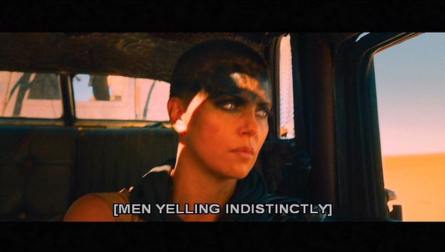
Fury Road

I’m here to tell you that Y chromosome means squat when it comes to writing horror; the X chromosome means squat, too. You see, writing horror isn’t about chromosomes, it isn’t about being a man or a woman or neither of the aforementioned. It’s about writing a good story, a great story. It’s about making good art.

Unfortunately, there are those who believe horror/dark fiction is the bastion of men, and that’s why Women in Horror Month was born; to break down those walls, those prejudices, the ignorance. Women can’t write horror because they don’t know it? We don’t understand fear? Terror? Subjugation? Do my ovaries automatically signal my inability to dissect, disembowel, decapitate, dismember a character? Can I not create a world only to destroy it with impunity? Look away, uterus, there’s gonna be blood…

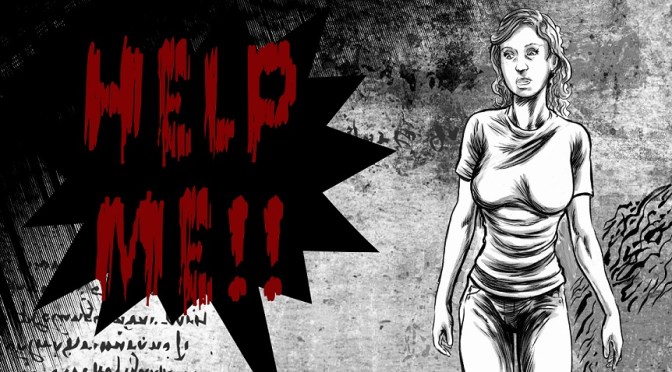
I’m not the only one who sees the ridiculousness of this. I’m not the only one who sees the disparity of the perceived belief of a woman’s “place” within the horror genre; within any publishing medium. If you think women are fairly represented, then take a look at this video and tell me this is right.

There are women writing amazing horror, women are editing, acting in and directing kick-arse horror movies and programs. Don’t limit your reading and viewing; horror and dark fiction is the greatest genre you can indulge in – a wide variety of voices and styles only enriches us all. Find storytelling from women, people of colour, from diverse backgrounds, from those who identify as LGBTI, from those with disabilities, from all walks of life, culture, religion and the non-religious. Open your scope and take in the wonder of diversity.

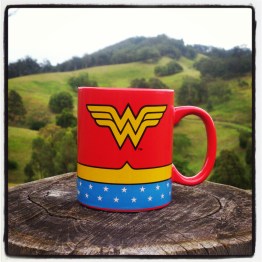
So as I sit here writing and drinking coffee from my Wonder Woman mug, here’s a small list of women writers and editors you should be reading:

Lee Murray, Silvia Moreno-Garcia, Kaaron Warren, Rivqa Rafael, Christine Morgan, Nalo Hopkinson, Kirsten Cross, Sophie Yorkston, Angela Slatter, Octavia E Butler, Joanne Anderton, Catriona Sparks,  Rose Blackthorn, Zena Shapter, Paula R Stiles, Maria Lewis.

The above list only scratches the surface of women writers making their mark, and I encourage you to source more – diversity of voice will open worlds that ignite your imagination and take you to places of wonder.

And really, we’re all welcome in this place of storytelling.
IMG_20151228_165706

Festivus Book Pimping – SNAFU series

For your military horror dining delight, I bring you a big, fat course of SNAFU for your Festivus feast. Sit down, strap on (easy) your kevlar, and lock’n’load – it’s about to get messy. SNAFU (Situation Normal All Fucked Up) is the series put out through Cohesion Press that covers different takes on the military horror theme.

I’ve been lucky enough to be involved from the start as one of the co-editors of the series (with Geoff Brown), and having the pleasure of working with some truly amazing storytellers, both established and up-and-coming, and from here and overseas.  But more than that is the calibre of stories on offer.

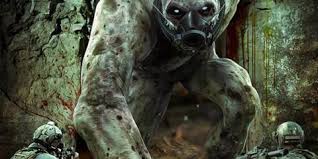
Cohesion has four SNAFU anthologies currently on the market – two print/ebook and two ebook-only offerings. All of the anthologies have brilliant Dean Samed cover art, with internal art supplied by the wonderfully-talented Monty Borror. This is seriously good monster art – you won’t want to miss it.

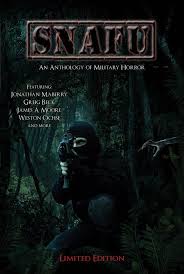
SNAFU 1

Let’s begin with the first in the series, the entre: SNAFU: An Anthology of Military Horror. War is hell, and this offering was Cohesion’s first foray into the military horror theme, and garnered a Bram Stoker Recommended Read and finalist for the Australian Shadows Award (edited publication), thanks to the talented writers.

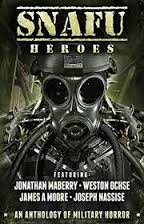
Next up for tasting in the series is SNAFU: Heroes, which offers novellas and short stories from Jonathan Mayberry, James A Moore, Weston Ochse and Joseph Nassise. As the blurb says: ‘From demons to horrors from the deep, the battles keep on coming. Fight or die…’

SNAFU Heroes

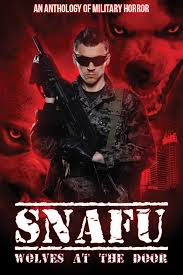
SNAFU: Wolves at the Door, is the next to the table, where you will share your meal with… my, what big teeth you have! This ebook tells the tales of soldiers fighting against all manner of were-animals – wolves take precedence in this instalment, but the diversity is staggeringly good. Stories with bite! (How could I not say it?)

And check out the cover art…

SNAFU Wolves

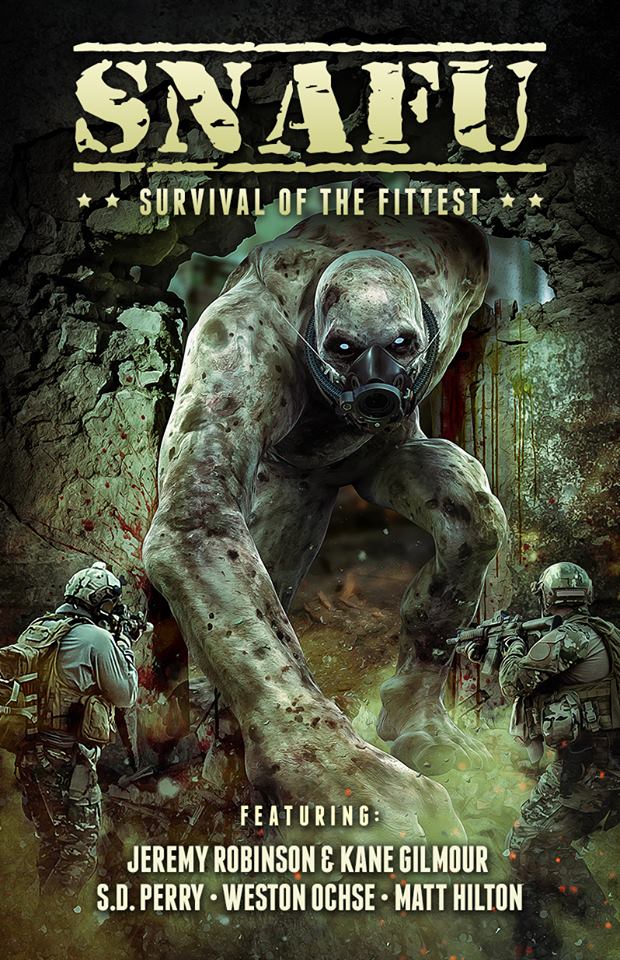
But wait, there’s more! The next in the print series is SNAFU: Survival of the Fittest, which was released in August this year. This is survival horror where every bullet counts. Low on ammo, this is about soldiers trying to make it out alive against nightmares made real. And damn, if these authors don’t know how to wrangle some nasty enemies for their squads.

SNAFU Survival

There are two more in the series on the horizon; I’m currently working on SNAFU: Hunters (think Grimm, Van Helsing, ‘Supernatural’s’ Sam and Dean), which will be published early next year. This SNAFU is all about the hunt, the thrill of the chase, and the uncertainty of outcome. Then there’s SNAFU: Future Warfare – military horror with a sci-fi bent (yeah, you know you want that!), which is due around mid-year. So keep your eyes and ears open for these, kiddies… well not literally kids, ‘cause unless you’re willing to shell out cash for some serious therapy, these books aren’t for them.

The beauty of the SNAFU series is that stories cover the gamut of historical to modern warfare; from Viking raids, the World Wars, Vietnam, Korea, Afghanistan… and all time periods and locales. And if you think you’ve read of every monster out there? Think again, my friend, oh yes, think again. There’s a diversity here that will keep you (or those you’ve gifted these treasures to) turning the pages.

Recommended for anyone who loves military stories, military horror, supernatural horror, straight messed-up horror… you get the picture. They’re brutal, they’re bloody, they’re awesome.

Festivus Book Pimping – Carole Nomarhas

It’s the 19th? Better get my Festivus Pimping moving along if I’m going to squeeze as many pimpalicious books in before I head away in three days (woo hoo! Three days!). Ahem. Sorry. As you were…

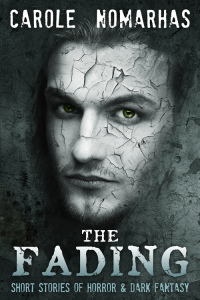
This time we’re back on home soil, with Australian author, Carole Nomarhas, and her wonderfully creepy short story collection, The Fading.  The stories in this collection run the gamut of horror, dips it toes into some fantasy, and gives you a little bit of urban as well – but the running theme through the diversity of stories is that not everything is as it seems. Like ever.

Now before I move on, a little background here. There are moments editors dream of – finding those stories (be they shorts, novellas or novels) where you know you’ve encountered a true storyteller. I’ve been lucky enough to have had a few instances of, what I like to call my ‘holy shit’ moments. And I got that with the first story of Nomarhas’ I read – Black Glass. That was when I knew this collection was going to be something special, and it was the first two lines of that story that dragged me in: The dead came back. All of them.

The Fading

In that moment, I knew I was working with something special. Each story built on the last; each one delivering their own sense of bleak storytelling that only reinforced my belief that Nomarhas is an author to watch.

Of course, I have my favourites, but the standard of this collection is so damn high, these were difficult picks indeed. Especially when you add in the almost poetic prose Nomarhas employs to visually transport you to her worlds: Moth-flutters of dark, tattered mist came to his call…

The Fading consists to eleven stories, each one a world, a horror unto itself, and each told with the same desire to take you places you will never forget, places that will haunt long after you’ve stopped reading. Nomarhas’ words tell you so: The wind sang thinly, ghost notes through hollow bones.

I can’t recommend this collection enough. Anyone who loves horror, dark fantasy, and the magic of words will love it.

Currently only available in ebook format, which makes it the perfect gift with just the click of a mouse.

Go. Now. Buy it.

Festivus Book Pimping – James A Moore

Yes, yes, I’m a bit late with the next instalment of Festivus Book Pimping, but I’m going to try and get as many authors/books pimped before I head away next week for my Christmas break.  So, next up on the Festivus altar is another overseas author, all round nice guy, and hell of a writer, James A Moore. Round of applause!

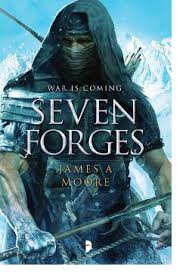
Now Jim has quite a backlist of novels and short stories, all of which you should read. But today I’m going to focus on the fantasy series I’m currently reading: The Blasted Lands, published through Angry Robot. I’d been meaning to get these books for a while, but my laziness worked in my favour, with the latest book (third in the series), just released.

The series begins with Seven Forges, and the introduction to two races of people – those from the Empire of Fellein, and the fantastical, half-forgotten, and oh-so mysterious Sa’ba Taalor. And it’s those of the Blasted Lands that really held my attention – Drask Silver Hand, Swech, Tusk and their gods (and their magic), are vastly different from anything I’d read, and I was so very taken with them. Hell, I couldn’t get enough.

Seven Forges

Told from the viewpoints of the major characters of Captain Merros Dulver, the Emperor, Desh – the emperor’s sorcerer, and those of the Sabar Taalor, you get to experience the lives and fears, the cultures and impending war of the two races. Moore handles it masterfully, and I couldn’t wait to get into the second book.

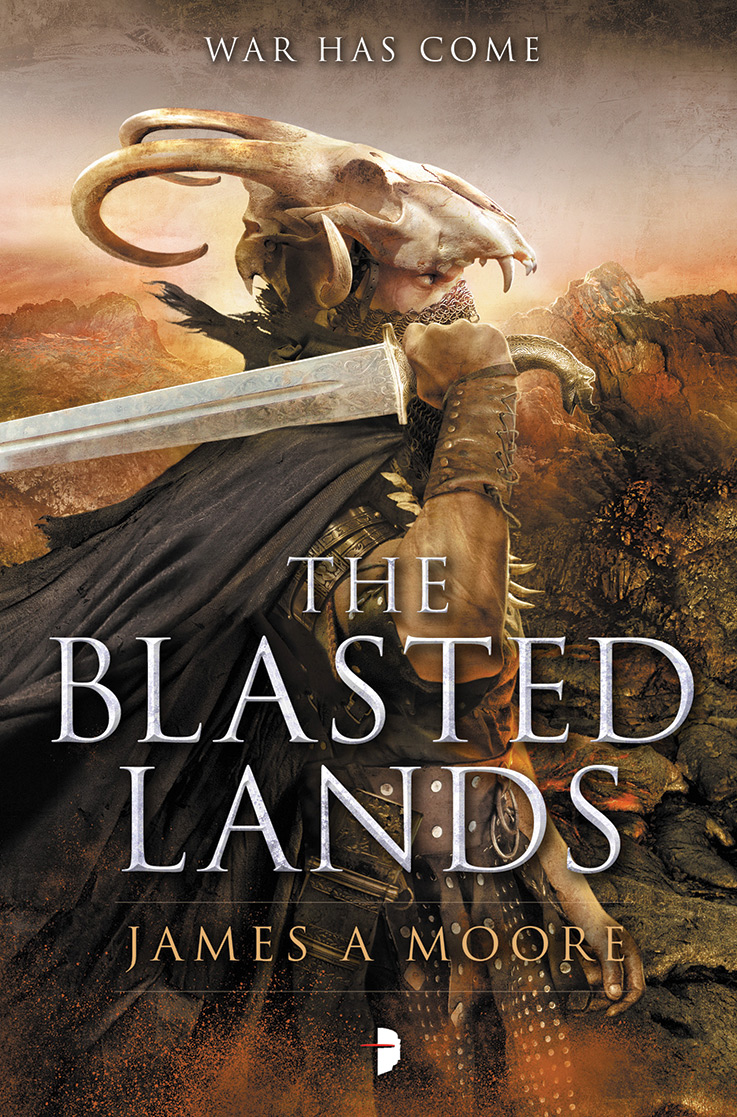
The Blasted Lands follows up with action, betrayal, amazing magic, gods and rituals, and a final understanding of why the Sa’ba Taalor hide their faces from those outside the Blasted Lands (and damn impressive this is). War is coming. Not if, but when, and the people of Fellein… well, it ain’t looking good. As a second book, they can sometime fall flat, but Moore just amps it up, and I flew through this reading as well.

The Blasted Lands

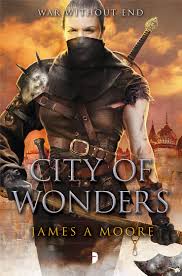
City of Wonders is next, and while I’d love to tell you more about this one, I’m only three chapters in, but I’m hooked and wondering how I can steal time so I can read more. There’s a fourth in the series that Moore is currently writing, and I’ll be first in line to buy that baby.

Oh, and a shout-out to the cover-artist of these books – they capture the characters perfectly, and are just gorgeous.

City of Wonders

Now I can’t have you leave without telling you about one of my favourite of Moore’s characters, Jonathan Crowley. There is many a story with the dark Mr Crowley, and I’ve had the pleasure of being the editor of a couple of Crowley stories in the SNAFU series put out through Cohesion Press. Crowley is a monster hunter, and quite possibly a monster in his own right, but damn if he ain’t fun to read. Moore’s Crowley stories are more supernatural horror, and one of my favourites is the short story, Cherry Hill. Addictive, this character is, and I’m always happy with a new Crowley story.

Oh, and I’ve just finished editing a new Crowley story for SNAFU: Hunters, and it’s a cracker!

Recommendation:

For the Blasted Lands series, anyone who loves epic fantasy, dark fantasy, magic and monsters and mayhem, oh my!

For the Crowley books, anyone who loves supernatural horror, horror, dark fiction, and monsters straight from your nightmares!

Festivus out!

Festivus Book Pimping – Mark Lawrence

Let’s get some Festivus grimdark on, shall we? Why yes, we shall! This time I’m taking it off-shore, and pimping out Mark Lawrence (yes, I see it, let it go) and his books – trilogies, to be precise. I came late to Lawrence’s books, but that’s worked out remarkably well for me, as I’ve read five of his this year and am waiting (rather impatiently, as is my wont) for the final instalment of his latest trilogy. But I’m getting ahead of myself.

Let’s begin with The Broken Empire series, which was another recommendation from a friend –you rock, Tracy! The first, Prince of Thorns (reviewed here), was the beginning of my addiction to Lawrence’s work. Seriously, his writing’s like crack – just one more page, just one more page… just one more… Many a night I sat up reading to the wee hours, forsaking sleep for story.

The Broken Empire trilogy follows Prince Jorg Ancrath, heir to the kingdom of Ancrath and all-round immoral character. Jorg is both personally driven and nudged along the way by outside forces, but ultimately he’s a character who is incredibly self-aware and unapologetically so. I loved him. It’s a book beautifully told in its barbarity, but it’s a violent, chaotic world filled with magic, monsters, and mayhem. It’s Jorg’s world and he’ll be its king – no matter who he needs to step on, kill, maim, or sacrifice in that endeavour.

broken empire

I read King of Thorns (reviewed here), as quickly as I read the first – I couldn’t get enough of the characters or the world-building, let alone the political manoeuvrings from those vying for the role of emperor. It’s a ‘broken empire’ and there are those who want to see it whole and rule it accordingly, and then there’s the Dead King, slowly working his way into the world of the living.  There’s death on a grand-scale here, so if you’re of the more… delicate reading sensibilities… take a leap into the honesty of the brutalities of war.

I began Empire of Thorns (reviewed here), with a little trepidation, not because I thought it wouldn’t stand up to the grandeur of the first two, but because it was the final in the series – it was coming to an end. I devoured this book (not literally, books aren’t for eating – you should know this), and simultaneously tried to draw it out. It was a battle of epic proportions, as are the battles contained in this last instalment of the trilogy, but no less satisfying when it came to its end. Did I want more? You bet I did. Was I disappointed with the ending? Hell no.

This series is told in the first person point of view, which keeps the reader close, and Lawrence has a gift for wordsmithing that is beautiful and poignant. Oft times a phrase would stop me, and I’d have to read it again purely for the beauty of it. Oh, and when you figure out what this world is… that’s pretty awesome. There are those who call Jorg an ‘anti-hero’ or ‘villainous-hero’, but I disagree – he’s determined, driven, and doesn’t take shit from anyone. I kinda like that.

Prince of Fools

Lawrence’s current trilogy, The Red Queen’s War, is set within the same world of The Broken Empire series, but with completely different characters – and I mean different in every way. It runs concurrently with Jorg’s quest, but in Prince of Fools (reviewed here), it is Prince Jalan Kendeth we follow. Jal is, in his own words: a coward, a cheat and a womaniser… and tenth in line to the throne. He’s a wholly different beast to Jorg, and he should be – this is a different story. We’re also introduced to the very cool Norseman Snorri ver Snagason. Magic has bound the two and they must set off for Snorri’s homeland to undo that magic. Again, nothing is ever what it seems with Lawrence’s storytelling, and the clues and tid-bits he leaves the reader only make you read for longer and again sacrifice sleep.

This continues with The Liar’s Key, which is being lauded as one of the best fantasy books of 2015, and with good reason. I haven’t yet got around to reviewing this book, but… tough call that it is, I’d put it in my top three of all the books I’ve read this year. There’s a criss-crossing of timelines and some characters from The Broken Empire series, but that only cements the ‘realness’ of this story within the large, large world Lawrence has created. For world-building alone, you can’t go past either series.

The Liar's Key

I can’t recommend these books enough. So if you’ve loved ones who like to read fantasy, especially of the dark, unapologetic kind, then The Broken Empire and Red Queen’s War trilogies are one’s you can’t go past. Or buy them for yourself – everyone needs to treat themselves to some dark stuff every once in a while!

And if you’re wondering if these books are as good as I say they are, I sacrificed so much sleep to finish these books, I’m sure I unwittingly sold parts of my soul. I also gave the man a handle:

Mark Lawrence – thief of slumber, time trafficker, broker of the dawn.

Festivus Book Pimping – Rowena Cory Daniells

Festivus Book Pimping, come on down! Sticking with the current theme, it’s Aussie author time once more.  Please welcome to the stage, Brisbane-based novelist, Rowena Cory Daniells! If it’s high fantasy of the darker kind you’re after, then you really can’t go past the The Outcast Chronicles.

This series was recommended to me by a friend, and I’ll be forever grateful to him (thanks, Ash!) for putting Daniells work onto my radar. Not only that, but Daniells has become one of my favourite authors – her imagination, creativity and wordsmithing truly dragged me into her worlds.

There are three books in the series: Besieged (reviewed here), Exile, and Sanctuary. It’s only now that I’ve realised I haven’t reviewed the other two books in the trilogy, but I absolutely loved the series, the magic, and the characters were so fully-fleshed out they most certainly had to be real.

Besieged

The Outcast Chronicles are told from different view-points, with each of those characters immersing the reader further into the races that make up this world, and how they all interact (sometimes in so not a good way). There’s an honesty in this storytelling – it doesn’t apologise for the violence or barbarity of its ways, or the culture in which those within find themselves, or the rules that oft appear unfair and unkind, but have (so far) managed to keep the peace between all.

But the magic, oh, the magic is a beast all its own… for those who have it. There’s a great diversity in the dynamics between the different races, and magic binds some, terrifies others, and also has a class-system all its own. It’s an intricate world Daniells has created, and I think that’s part of the reason I loved this series – there’s always something new to discover, all of which is relevant to the plot and/or story-arcs of the characters.

Exile

These are books with a good chunk of wordage in them as well (as fantasy books are wont to be), so there’s much meat to sink your teeth into – who doesn’t love a big ol’ book? With the promise of two more big ol’ books to come.

These books are seriously good Festivus stocking-stuffers. And if you’re only looking at getting someone a single book, that’s fine. Start with Besieged, then wait for your loved one to demand the rest in the series.

Oh, and as a bonus? (And believe me, after finishing the trilogy, the reader will want more.) The Fall of Fair Isle is the omnibus set 600 years before the trilogy (which is on my ‘to read’ mountain).

And if all of the above isn’t enough to get you buying her work, Daniells is one hell of a nice lady who happily engages with her readers.

Sanctuary

Recommended for those readers who enjoy fantasy, dark fantasy, epics, sagas. Hell, anyone you know will love these books.

Festivus Book Pimping – Greig Beck

Happy Festivus Book Pimping Day! Or night… depending on which side of the world you call home. So with most of the stuff I create, it tends to grow organically, and this series (yes, I’m calling it a series), has also done so. While it will be books I’m pimping, it’s also authors… I’m pimping. Yeah, that sounded better in my head than it reads on the page, but hey, it’s Festivus, let’s roll with it!

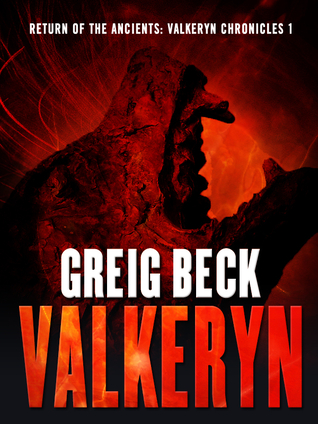
Next up on the Festivus catwalk is another Aussie author and best-selling novelist, Greig Beck. Greg has a great number of novels on his backlist, but the two I’m presenting (see what I did there?) today are two books of his I’ve read this year – both of which I gave five stars on Goodreads. I absolutely loved both of these books, and read them far quicker than I wanted. It’s those books I love, the ones where you just have to know how it all ties up but you so don’t want them to end.

Okey-dokey, first up on the catwalk is Return of the Ancients (Valkeryn Chronicles #1), wearing a wonderful red ensemble with a touch of horror and most wonderful splash of Norse mythos. I’ve reviewed the book here, but this is from the website:

Return of the Ancients is the first of a two-part series and tells the story of a future world of great beauty and great horrors, and of two races who fought a war for an eternity. Arnold ‘Arn’ Singer, an average teenager living in Illinois is thrown forward into this world and finds he is the last human alive. The land is populated with mysterious and bloodthirsty creatures – some want him dead, while others see him as their only hope for survival – a return of one of the mysterious and all-powerful ‘Ancients’.

Return of the Ancients

I was enamoured with this story, with Arn and with the ‘creatures’ and world Beck created. I’m a sucker for Norse mythology, and there’s a great deal of it here, blended so beautifully with Beck’s imagination, so much so I earned sunburn from not putting the book down when reading while on holiday.

Now, with as much military flourish as Return of the Ancients can muster, it marches back off the catwalk and prepares for war.

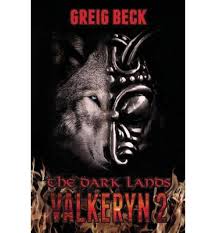
In perfect response, please welcome Valkeryn 2: The Dark Lands to the catwalk in a pretty damn awesome fur and armour piece. War has come to the Wolfen, and the past has waged war on the future. I haven’t yet reviewed this book on my blog (time restraints and all), but it lived up to then surpassed my hopes. Here’s a little something from the website:

The mighty Wolfen of Valkeryn, descendants of the canines of the era of man, have ruled for many millennia. But now their kingdom has fallen to the monstrous hordes and the remaining Wolfen scattered. Arn Singer, perhaps the last human alive on the planet, finds himself cast into this maelstrom of chaos and horror. He seeks answers to the missing Ancients – mankind itself. But back in his time the world continues to destabilise – the portal through which he fell is destroying the plant and must be closed. Special Operations soldiers have been sent, fully armed, into the distant future to bring back Arn… or his body.

Valkeryn 2

I read this book in two sittings, forcing myself to slow as I neared the end – yes, I wanted to know what would happen, but this is a two-book series, so it would end when I so didn’t want it to. And that is the true representation of storytelling.
I thoroughly enjoyed both books, and insisted my children read them as both my kids have a love of mythology, and there’s much of that in here. My son grabbed the first book before my daughter could, and with a teenage protagonist, they will both identify. Yes, there’s some horror, but as a horror writer myself, my kids have kinda grown up around things that go bump in the night. Oh, my son is almost a teenager, and my daughter is a few years in on the teenage years. Me? I’m significantly past my teenage years (phew!), and I loved the books.

As a gift? Well you can’t go past it. The covers are evocative, and will really tease the imagination of the one tearing off the wrapping paper.

Recommended for those who enjoy fantasy, horror, mythology (Norse to be specific), YA (12 and up).

The Gift of Storytelling

With Christmas heading toward us at warp speed (really? Just five weeks away? How’d that happen!?), if you’re anything like me you may struggle a little when deciding what presents you wish to buy friends and loved-ones.

Books and stories really are one of the greatest gifts you can give another. It’s magic you’re handing over, the promise of escape to different worlds, of meeting new people who inhabit those lands and travelling with them through their story. Books ignite imagination, they transport you to universes vastly different from ours yet so real they must exist. They engage the mind, tug at the heart, and make you believe there’s more to this microcosm we call life. You might think that’s a big call, but I’ve read stories that have done just that.

book imagination

So, in the spirit of giving, over the next five weeks I’ll be promoting books – novels, collections, anthologies, comics – covering a range of genres and classifications that would make great gifts for the festive season. Or any season really. Books are wonderful gifts any time… all the time.

Yes, I’ll be promoting my own work (why wouldn’t I?), but I’ll also be promoting other authors’ work – those I’ve worked with and those I’ve read over this past year that really need to make it into either yours or a friends or loved-ones hands. There’s nothing sadder than spaces on a bookshelf.

The books I’ve read will have a little more detail than those on my ‘to read’ list (obviously), and as much as I’d like to take suggestions, that’s too big a project to take on at this stage, especially under tight time-constraints.

And for those of you who’ve read a book, collection, anthology et al that you’ve loved, leave a review for the author – that’s one of the best gifts you can give them.

Stay tuned…

Deadlines vs Goals vs Real-life

Deadline: (n) the time by which something must be finished or submitted; the latest time for finishing something.

Goal: (n) the result of achievement toward which effort is directed; aim; end.

Real-life: (interjection) the little demon that laughs maniacally at the deadlines and goals you set.

Deadlines. I work to them all the time. Sometimes I impose them on authors, sometimes authors impose them on me, and other times it is publishers dropping those deadlines – all of which is good. Deadlines give us that extra kick up the bum to get shit done, especially if those deadlines are given by others.

I work well to external deadlines – my business and reputation depend on it. And I love my work, so while sometimes it can be stressful when I have a lot of different projects on my plate, I tend to thrive under the pressure.

Goals. I set myself two (which stepped to three) this year with regard to writing and reading – two things I don’t get anywhere near enough time to do as I’d like. I’d finished the first draft of my novel in February this year as part of my Black Friday Wager; of which there’s about 10-15% I’ll keep, build upon. It set my characters and their motivations firmly in my mind, and levered the world in greater detail, but man did it need a serious rewrite… or greater focus.

So that was one goal met, which transitioned to my next goal: the second draft of the novel, which was to be completed by November 13, 2015 (yes, a Black Friday Wager). I did not meet this goal. Oh, I started and restarted and restarted the novel eleventy-hundred times, but could not get the starting point right.

imagination

Work and real-life had a part to play in me not meeting this goal. I’m not just a writer and editor; I’m a mother, wife, sister, daughter, aunt, friend, keeper of pets. I have bills to pay, groceries to buy, meals to cook, and a seemingly interminable amount of clothes to wash. I have homework to help with (you suck, high school math!), the kids’ sporting events (and training) to cheer at, and all the while remember that I must leave the house wearing pants.  I don’t begrudge any of that – it’s my life and I wouldn’t change it (okay, maybe the bit about wearing pants in the outside world, but… oh the joys of working from home!).

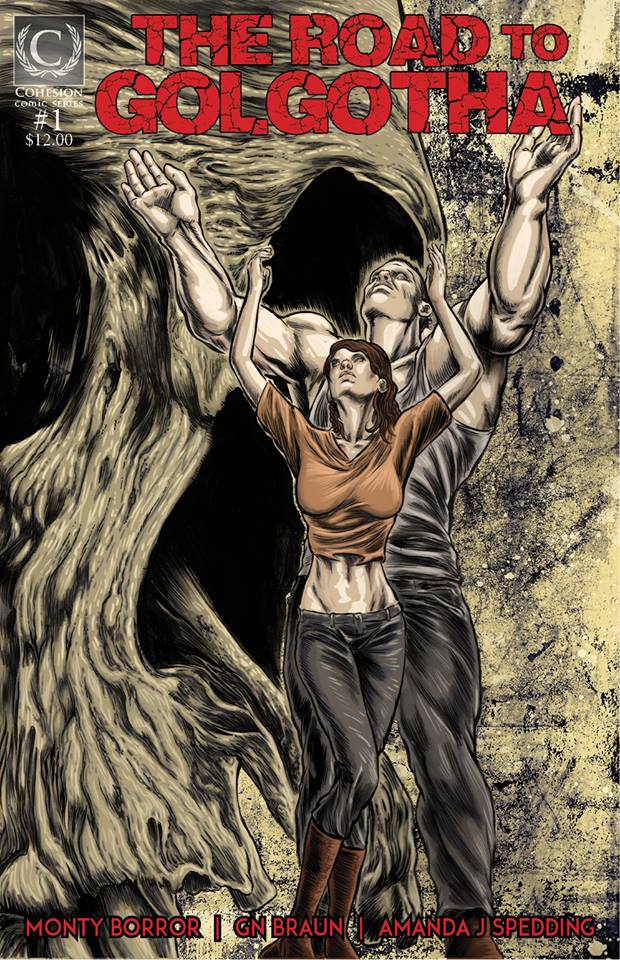
Often, something’s gotta give, and that something tends to be writing time (made easier, of course, when you’re sitting on your eleventy-hundred-and-first draft of draft two of your novel).  I did write three short stories this year, all of which made short-listings but no actual publication. But that’s okay – stories were written, and they’ll be tweaked and sent back out in the world. It’s the creating that’s the goal; publication is that cherry atop a cake. And one of the big cherries this year was the publication of my comic, The Road to Golgotha, launched at Melbourne ComicCon, so not a bad year on the publishing front at all.

The Road to Golgotha

What I didn’t skimp on this year (as I had done previous years), was reading time. As an editor, I do a lot of reading, and by the end of the day, my eyes can sometimes be pretty shot. So reading for pleasure doesn’t feel like pleasure at all. Last year, I read 14 books – not too many when you’re looking at just the number, but at least one a month, isn’t bad considering. This year, I set myself a goal of 20 books. I hit that goal last week with Greig Beck’s The Dark Lands (The Valkeryn Chronicles #2), which was brilliant, and one of those stories you wish didn’t have an end (review to come).

I surpassed that goal last night, finishing book two in a James A Moore trilogy. Yes, there were times I read into the wee hours of the morn, sacrificing sleep (and the next day’s sanity) to read just one more chapter…okay, just one more chapter…one more… but that’s more testament to the book(s) I was reading than my quest to meet my goal. I’ve chosen well the books I’ve read this year, and the authors who’ve penned them.

So I met two of my three goals, and yes, there was some angst and frustration around not meeting the goal of the second draft, but not anywhere near as much I’d have doled out a couple of years back. You see, I’ve learned to be kinder to myself, to understand that sometimes life has different ideas to the ones you set yourself, and that’s okay too. With age comes wisdom perhaps.

My life is good. No, actually, my life is great. I have an amazing family, two of the coolest kids on the planet, a kick-arse job, and the want and desire to wreak havoc in created worlds. And I get to read with impunity.

The point of this post (yes, there is one, you miscreants!), is that no matter the personal goals and/or deadlines you set, don’t beat yourself up if you don’t meet them – real-life always has your back.

Deadline: a date for things that may or may not get done (depending on who sets said deadline), but hey, we’re all huma– ooh, look, a kitty! 

Goal: something you wish to achieve but doesn’t hold your self-worth if not met  (may also be cake).

Real-life: fucking awesome.


Editors Aren’t Your Enemy

I don’t hate you. Really I don’t. These are phrases that often go through an editor’s mind as they work through your manuscript. We don’t hate you or your story; we’re not evil trolls ready to destroy your work. We’re not monsters who hack and slash at your words with wild abandon, our red pen dripping with the life-blood of your characters.

bloody pen

We’re not the enemy. We will, however, be your story and your characters’ advocate – devil or otherwise. That’s our job. And editors love their job. I know I do. We get to help a writer push the limits of their storytelling, to advise and collaborate to bring out its best. We question plots and sub-plots that aren’t cohesive, characters that appear to be acting out of character. We see what you don’t. Why? Because we’re not as close to your story as you are.

Objectivity is what we bring to the table, and it’s why all stories, no matter how they’re published (self or traditional) need another set of eyes (or more) to look over them. We haven’t been in your head developing the character(s), we don’t know the intricacies of their backstory – how they came into being. All we get is what’s on the page. If we question a particular point, or are confused about a character’s motivations, chances are so will your reader.

When going through a manuscript, we’re constantly aware that any edits, questions or suggestions may not sit well with an author; I mean we’re taking their lovingly-crafted baby and making marks all over it. We understand the blood, sweat and tears that have gone into bringing your work to life, especially those of us who are writers as well. We don’t laugh maniacally when we ask you to consider changing something, or deleting a scene altogether – we know it hurts, but we also know it could be the best thing for your baby.

One of my clients had a character she had been living with for a very long time, and about halfway through the manuscript, I noted the character was acting and speaking in a way that didn’t reflect them or their purpose. When I mentioned this to the client, they were surprised they hadn’t noticed it – I had the objectivity the client no longer had. When I saw the next draft of this manuscript, the character was better than even I could have imagined. I couldn’t have rewritten it – that’s not an editor’s job, they’d never be so presumptuous – but I could point out the issues and return it to the creator who knows their character far better than I ever could. Collaboration: when it works, magic happens.

book imagination

I know a lot of writers dread the editing stage of the manuscript, but this is a stage that needs to be embraced and enjoyed – you’re getting down to the nitty-gritty of the publishing process. Yes, if you misuse a comma or your verb-tense is a little off, we’re there to pick those up for you. We ensure your syntax is just right, that your characters and places are consistent in description and spelling, and will explain why.

Editing is a place where a writer can learn those intricacies of the English language, and we’re happy to share our knowledge. Why? Because we’re word nerds. I will happily walk through the reasons why you can or can’t use a semi-colon; why I’m a proponent of the Oxford comma, or how short, sharp sentences convey tension within a scene. I will explain why ‘showing’ works to create a deeper connection to the reader than ‘telling’ ever will, and why the passive voice can make the reader feel like a spectator rather than a participant, and why there are very, very few instances where punctuation exists outside speech marks. (This is usually where you’ll need to tell me to shut up, as I can wax lyrical for hours. Just ask my husband – he’s the one over there with the perpetual glassy-eyed look.)

So yes, editors are an essential part of the publishing process, whether you’re going the self-publishing route or traditional, and perhaps more so with self-publishing as this is a step quite a few SP authors overlook (or, sadly, believe they don’t need). I’m here to tell those authors you’re not only doing yourself a disservice but that of your potential reader. Nothing will piss off a reader more than a poorly written, non-edited book they’ve paid money to read. I know; I’ve been one of them.

bullshit

With the enormous amount of choice out there for readers, it’s getting harder to have your work, your stories noticed among the millions. But what will always help, what will always bring a reader back is when an author takes the care to put their very best work out in the world. Part of that process is to work with professionals. I read a post from a self-published author on this very thing – read it here; it has some great insights about finding a professional. (Yes, I’m her editor, and you absolutely should read her collection of short stories when it comes out – I can’t recommend it enough.)

And a professional is what you need. When sourcing an editor (or proofreader, cover artist, formatter/layout artist), check their credentials! I’ll say it again: CHECK THEIR CREDENTIALS! A professional will have studied, they will have qualifications backed up by paperwork, and they will have experience – all of which should be available to you. Ask. And ask for a sample edit – most will provide one.

There are a plethora of sources to find professional editors, but word-of-mouth is your best bet. Ask other writers who they’d recommend, ask forums and social media. If you can, source someone who specialises in your genre as they’ll have insights other editors may not. And speak to at least five editors before you make a decision. Not all editors will be the right fit, but when you find the one that clicks, you’ll make magic.

magic book